10 Reasons Why Aspen Winter Trips are Truly Next Level
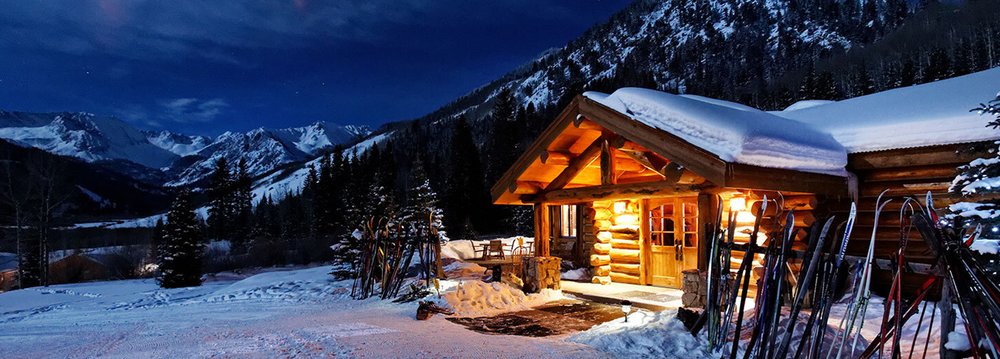
Winter scene in Aspen with a log cabin, snow-covered trees, skis, and mountains under a starry sky.

Aspen has become just as much of a status symbol as it is a winter destination. In the beautiful Elk Mountains of West-Central Colorado, this once-quaint snow-covered town has become synonymous with luxury experiences and alpine adventure. Celebrities vacation here, Olympians train here, and travelers of all kinds can enjoy the many miles of world-class ski runs and endless high-end dining experiences that come with an Aspen winter.

Winter in Aspen is so iconic because you get the full package. From powder-filled afternoons to firelit evenings at Maroon Bells atop Hotel Jerome with a top-shelf cocktail in your hand, it’s just as adventurous as it is cozy. No matter why you’re here, we can promise you that it’ll be a vacation you won’t soon forget.

So, what are the best things to do in Aspen in winter, you might ask?

The top 10 experiences include:

  1. Ski Aspen Mountain (Ajax)
  2. Snowboard at Snowmass
  3. Snowshoe Maroon Bells
  4. Après-ski at local bars and lounges
  5. Ride the Silver Queen Gondola
  6. Go dog sledding
  7. Explore the backcountry by snowmobile
  8. Attend the Aspen Winter X Games
  9. Dine at Michelin-starred restaurants
  10. Take a nighttime sleigh ride

If you’re ready to experience it all and want to learn more, continue through our ultimate Aspen winter guide.

Best Things to Do in Aspen During Winter 

Skiing might be what put Aspen on the map, but it’s far from the only reason people flock to this mountain town once the snow starts falling. Whether you’re looking for a mountaintop adrenaline rush or taking a week off from work to enjoy some luxurious downtime with a list of five-star restaurants to match, an Aspen winter is a complete sensory experience. 

Let’s take a closer look at some of the top things to do in Aspen in winter.

1. Skiing at Aspen Mountain (Ajax)
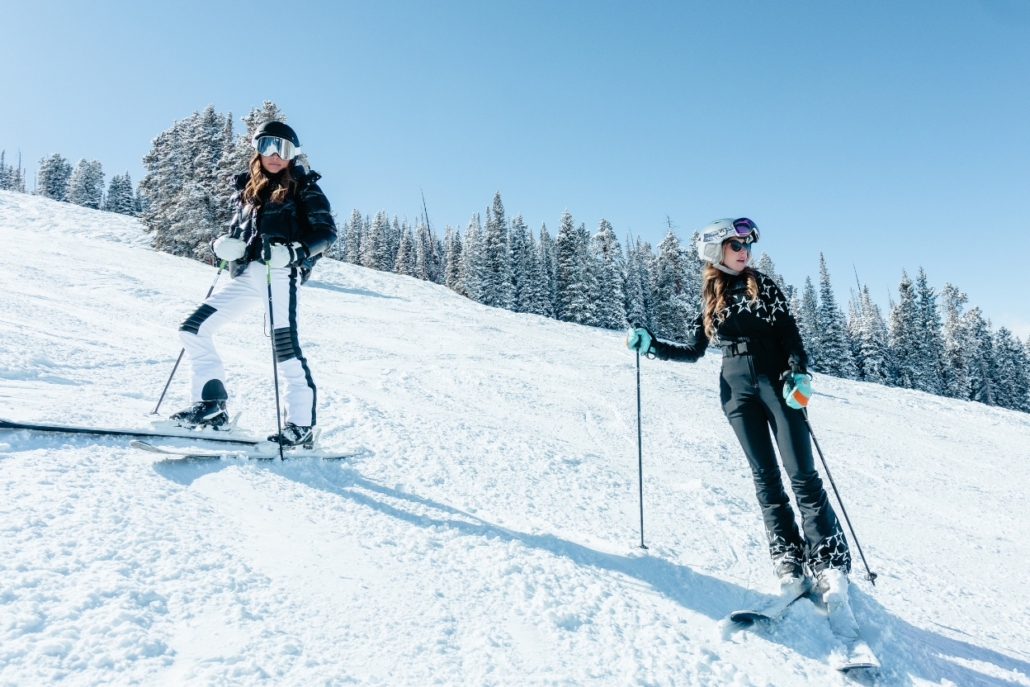
Two women skiing at Aspen Mountain (Ajax) in bright winter weather, surrounded by snowy trees.

If you’re an advanced skier, Aspen Mountain is the place to go. Referred to by the locals as Ajax, there’s no mountain in North America quite like it. The ski area rises right from the center of town and has 76 trails to choose from, none of which are beginner-friendly. The terrain is steep, fast, and lined with moguls, trees, and groomers that even some of the world’s most experience skiers can break a sweat going down.

All it takes is minutes from the Silver Queen Gondola in downtown. While you’re up there rubbing shoulders with the elite skiing scene, make sure to take in some of the unbeatable views of Aspen below. It’s one of the reasons an Aspen winter is so iconic.

2. Snowboarding at Snowmass
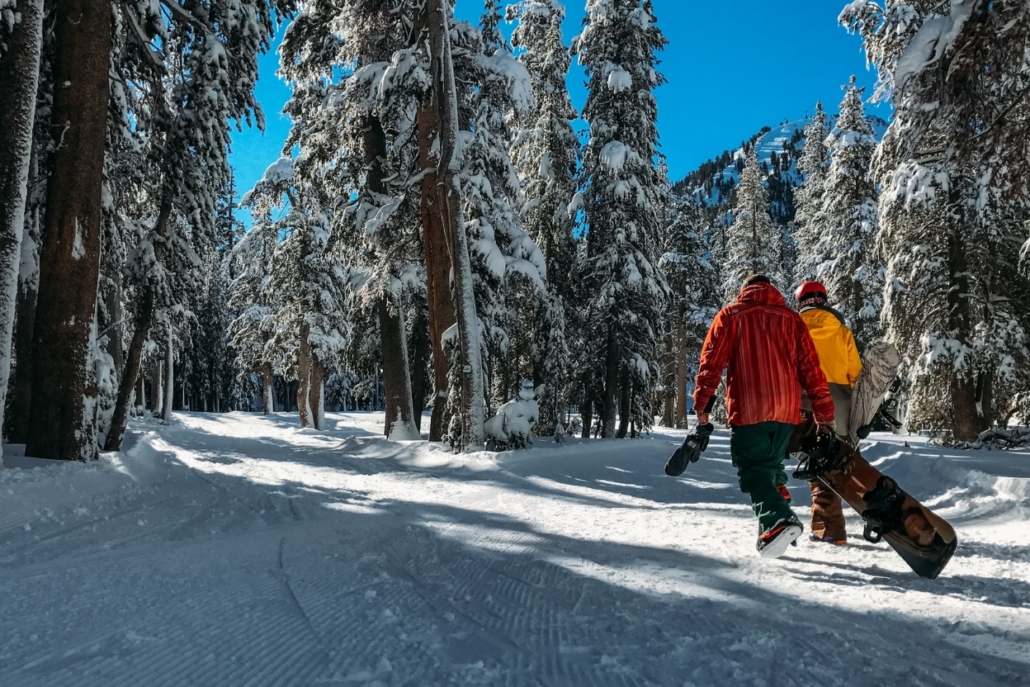
Two snowboarders navigate a snowy trail, surrounded by the stunning winter landscape of Aspen, perfect for a luxury experience.

Snowmass is the largest of the four mountains in the Aspen Snowmass resort family, and it’s a snowboarder’s dream. With wide-open groomers, natural halfpipes, terrain parks, and some of the longest vertical runs in the country, it’s just as fun for thrill-seekers as it is for beginners.

We recommend this mountain for families and mixed-skill groups, as there are a variety of runs to choose from. If you’re an advanced rider, you’ll probably gravitate toward the Cirque and Burnt Mountain Glades. 

The views are equally out of this world, and the lift system is incredibly efficient, getting you up and down the mountain in minutes. We can also help you find out if there are any events going on in Snowmass Base Village during the time you’re visiting. 

It’s truly one of the best things to do in Aspen in winter for riders of all stripes.

3. Snowshoeing Through Maroon Bells

If you’re looking for some quieter activities, it’s hard to beat snowshoeing through the Maroon Bells wilderness. Many people describe it as “pure magic.” This world-famous landscape is typically packed with tourists in summer, though when the seasons change, it becomes a pristine winter wonderland. 

You can rent snowshoes from local outfitters or book a guided tour through Aspen Center for Environmental Studies (ACES). Along the way, you might spot elk tracks or hear the distant calls of winter birds. It’s one of the best activities for photographers, wildlife lovers, or anyone looking to slow down and soak up the beauty of Aspen in winter. 

4. Après-Ski at Local Bars and Lounges
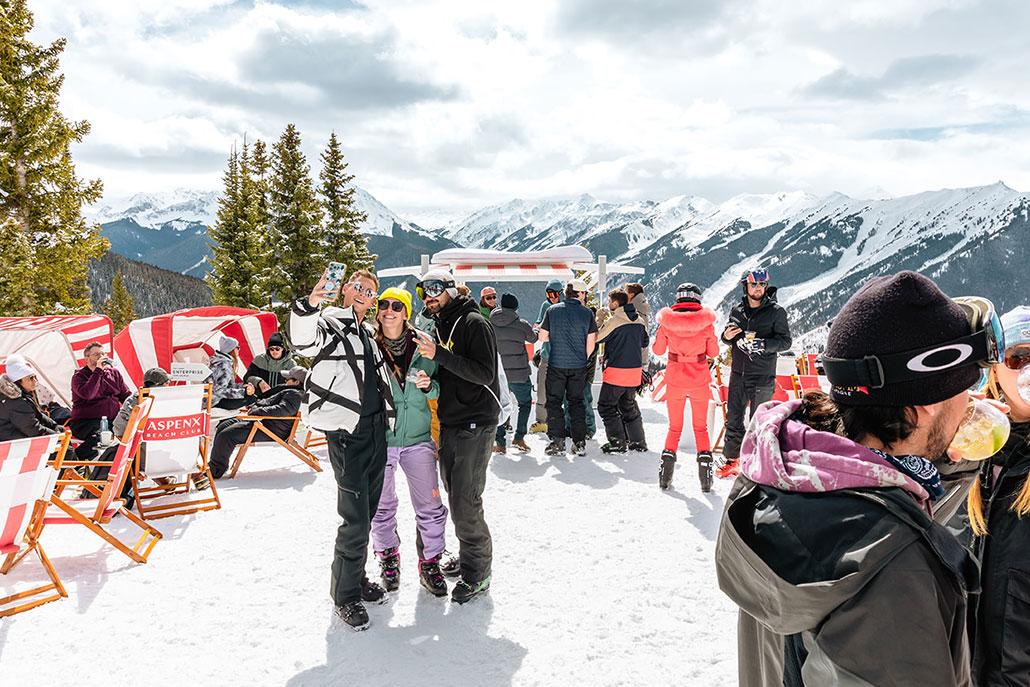
A group of four friends enjoying après-ski drinks, sitting outside on a sunny day with snow-covered mountains in the background.

Après-ski is serious business in Aspen, though no two places are the same. Looking for high-energy champagne spraying? Head to Cloud Nine Alpine Bistro, where the party kicks off before 2 p.m. and rarely slows down.

If you prefer something a bit more refined, you can lounge by the fireplace at The Little Nell, sip craft cocktails at Element 47, or people-watch from the sun-drenched patio at Ajax Tavern

At sunset, head over to The W Aspen’s rooftop bar and party with a local live DJ. It’s everything you’d expect from an Aspen winter hotspot.

5. Riding the Silver Queen Gondola
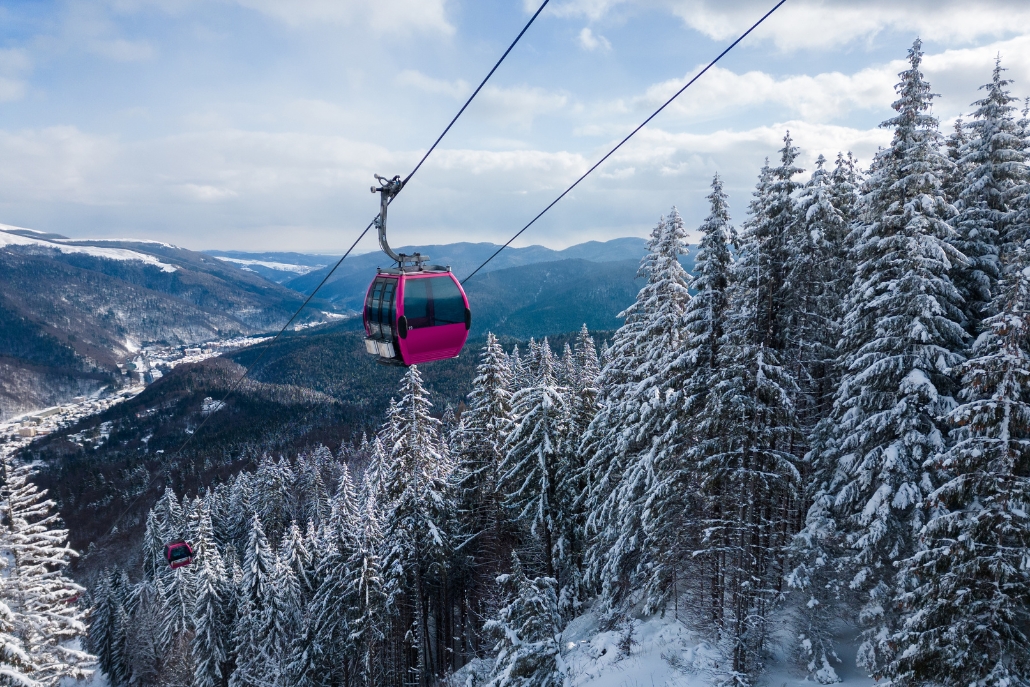
Pink Silver Queen Gondola riding above snow-covered trees and mountains on a cloudy day.

You don’t have to know how to ski to enjoy the summit views. The Silver Queen Gondola transports guests from the base of Aspen Mountain to 11,212 feet in about 15 minutes, and the ride is just as scenic as the destination.

At the top, many visitors like to warm up with drinks at the Sundeck Restaurant. For photographers, couples, or non-skiers, it’s one of the most accessible and memorable things to do in Aspen in winter.

6. Dog Sledding Tours

Swap out your skis for sleds with a dog sledding tour through snowy backcountry trails. Krabloonik Dogsledding is Aspen’s premier outfitter. They offer half-day adventures complete with lunch or dinner in a cozy log cabin.

Guides let you ride or even try your hand at mushing, while the team of huskies pulls you through dense forests and open glades. It’s quiet, exciting, and surprisingly romantic, especially on a night ride under the stars. 

7. Snowmobiling in the Backcountry
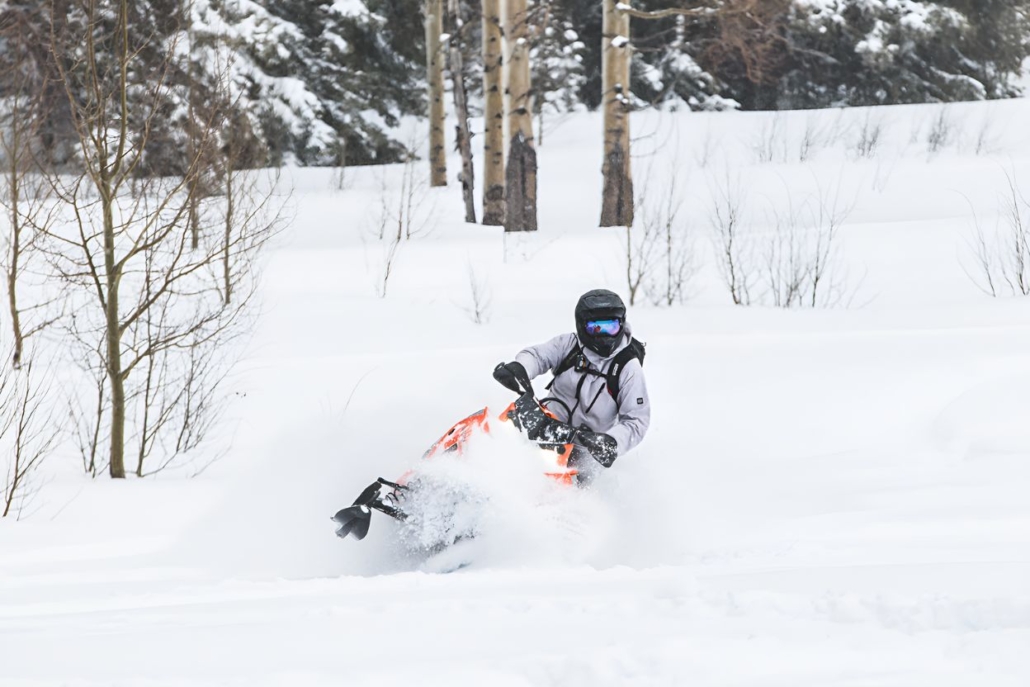
Person snowmobiling in the backcountry, kicking up snow in a snowy landscape with bare trees.

On the other hand, if you want something a bit more fast-paced, we recommend trying your hand at snowmobiling. T-Lazy-7 Ranch offers guided tours that take you, along alpine ridgelines and past historic mining ghost towns.

Plus, they have both beginner-friendly rides and advanced tours, both of which cover serious ground. It’s one of the best non-skiing outdoor activities Aspen has to offer. 

8. Attending the Aspen Winter X Games

Each January, Aspen becomes the epicenter of extreme sports when the Winter X Games take over Buttermilk Mountain. It’s free to attend and is one of the most electric events to take place in the area all year round.

At the base, you’ll find live concerts, giveaways, and après parties throughout the weekend. If you’re in town during the games, you can’t miss it.

9. Fine Dining at Michelin-Starred Restaurants

Elegant fine dining table setup in a Michelin-starred restaurant with polished wooden tables, wine glasses, and modern decor.

A long day in the snow deserves an equally impressive meal, and Aspen doesn’t disappoint. 

Bosq is a restaurant we can’t recommend enough. Having earned its Michelin star in 2023, it’s sustainable, five-star dining like you’ve never seen before. If you’re a fan of sushi, we also recommend the world-famous Matsuhisa, which was created by celebrity chef Nobu Matsuhisa.

Some of our other top recommendations include Cache Cache for French cuisine, Clark’s for oysters and martinis, and Casa D’Angelo for Italian. 

There’s a reason why Aspen’s dining scene is as iconic as its mountains.

10. Taking a Sleigh Ride Under the Stars

We can’t think of an experience more undeniably magical than a horse-drawn sleigh ride through snow-covered meadows. Pine Creek Cookhouse offers the ultimate version, complete with a starlit ride and a gourmet alpine dinner at the end.

Wrapped in blankets and surrounded by mountains on all sides, it’s one of the most romantic winter activities in Aspen. Families and groups can also book private sleighs in advance.

Where to Stay in Aspen – Best Winter Accommodations 
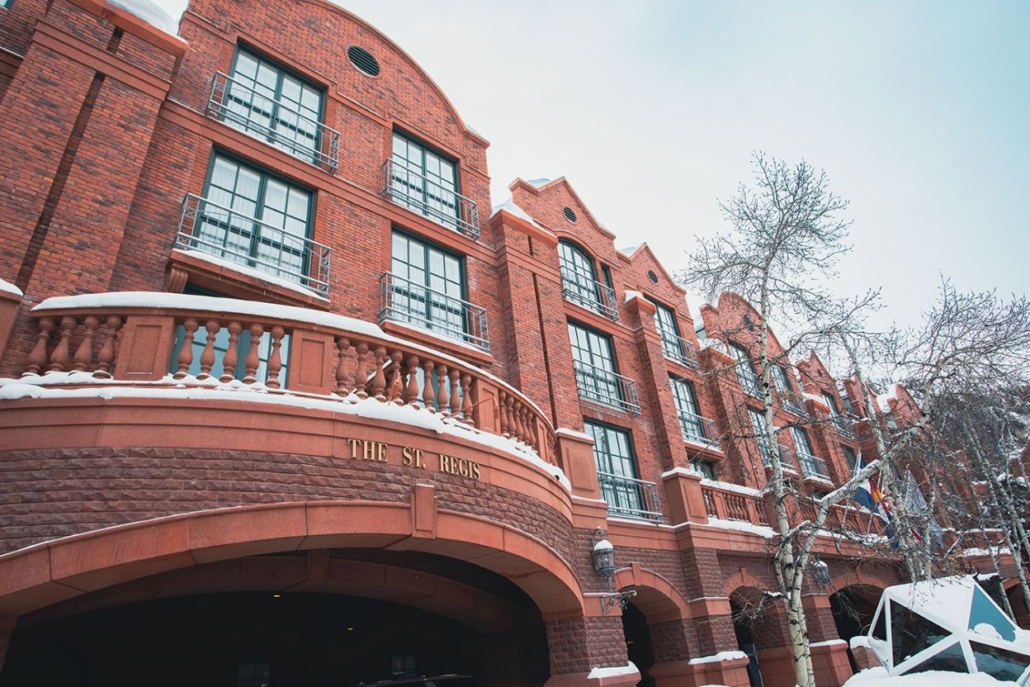
The St. Regis Aspen hotel with snow-covered balconies and trees, showcasing its luxurious winter accommodations.

Winter lodging in Aspen is just as diverse as the activities.

Whether you’re looking for a five-star hotel experience or a small, private cabin tucked away outside of town, you can find it here. It’s important to choose carefully, as where you stay will set the foundation for your entire Aspen winter experience. 

Luxury Hotels and Resorts

If you want white-glove service and ski-in, ski-out access, the best place to start looking is Aspen’s top-tier hotels. 

The Little Nell is the only five-star, five-diamond hotel at the base of Aspen Mountain. It’s known for its ski valets, curated wine cellar, and slope-facing suites. 

Hotel Jerome is another great option for luxury hotels. The hotel dates back to 1889, so even with all of the luxury amenities, you get Old West charm. On the other hand, if you want access to heated outdoor pools and world-renowned spa treatments, the St. Regis Aspen Resort is your ideal getaway.

Boutique and Historic Stays

If stylish and laid-back is the vibe you’re after, Aspen has many boutique hotels to choose from. The Limelight Hotel is steps from downtown with a cozy fireplace lounge, a lively après scene, and rooftop hot tubs. 

Over at the Bauhaus-inspired Aspen Meadows Resort, you’ll find 98 suites and newly renovated accommodations and amenities, all within view of the stunning Roaring Fork River. 

Vacation Rentals and Mountain Cabins

Groups or long-stay visitors may prefer a private rental. Aspen Luxury Concierge can offer access to slope-side estates, chalets, and downtown condos, no matter what kinds of personalized amenities you need. A chef? A hot tub? A home theater? Let us find the perfect Aspen winter accommodations for you! 

Aspen Winter Travel Tip – Packing, Transportation, and Safety

Guest relaxing in a luxury hotel room in Aspen, sitting on the bed while reading a magazine, with elegant room decor.

Nothing can ruin an Aspen winter vacation faster than failure to prepare. So, let’s help you plan smart and prep for the weather, altitude, and anything else Aspen might throw your way.

What to Pack

Whenever people ask us what to bring on their Aspen vacation, the first ting we always say is “layers.”

We recommend wearing a moisture-wicking base layer, an insulating midlayer (like down or fleece), and a waterproof outer shell. Make sure to bring gloves, high-traction boots, and a quality set of UV goggles or sunglasses to keep the sun out of your eyes.

Even in winter, sunburns can appear fast, so make sure to stock up on sunscreen for your daytime activities. 

Also note that après-ski and dinners in Aspen tend to lean “casual luxury,” so bring some stylish boots, knitwear, and a tailored jacket or coat.

Getting to Aspen

The easiest route is flying into Aspen/Pitkin County Airport (ASE), which is just 10 minutes from downtown. This small airport has direct flights from cities like Denver, Dallas, and Los Angeles. 

If flights are limited or impacted by weather, you might consider flying into Eagle County Regional Airport, which is around 1.5 horus away, or Denver International Airport, which is about four hours away.

If you’re renting a vehicle, look into AWD rentals so you don’t have to worry about getting stuck in the snow. We can also arrange private transportation here at ALC.

Local Transportation and Parking

Aspen has one of the best free town shuttle systems in the Rockies. You can hop and off to get to different ski areas, restaurants, and shopping zones. Parking is limited (and expensive), so skip the car if you’re staying downtown. 

Many hotels also provide complimentary shuttles. and ALC clients can arrange door-to-door transfers.

Safety in Snow and Altitude

Altitude sickness is very real. Even if you consider yourself to be athletic, it’s a good idea to take it easy your first day and avoid drinking too much until you’ve acclimated. 

The best way to make the most of your Aspen winter adventure is to prepare accordingly. Check for avalanche reports and dress appropriately for activities. 

Frequently Asked Questions About Aspen in Winter

What does Aspen in winter smell like?

Aspen in winter carries the invigorating scent of alpine pine mixed with the crisp freshness of snowy mountain air. Strolling near ski lodges, you might also catch warm hints of wood smoke, hot cocoa, and baked treats drifting from cozy cafés and chalets.

Can I visit Aspen if I don’t ski?

Absolutely. Aspen is more than just a skier’s paradise—non‑skiers will find plenty to enjoy. Scenic gondola rides, snowshoeing, snowmobiling, and ice skating offer outdoor adventure, while the town itself is rich with art galleries, live performances, luxury spas, and seasonal festivals for a complete winter experience.

Why is Aspen so well‑known?

Aspen has earned its reputation as a premier winter destination thanks to its world‑class ski resorts, breathtaking Rocky Mountain landscapes, and glamorous appeal as a celebrity retreat. Beyond the slopes, it shines with fine dining, upscale shopping, and a vibrant arts and culture scene.

How expensive is Aspen?

Aspen is considered one of the priciest ski towns in the country. Lodging, dining, and winter activities often come with premium price tags, especially during peak season. Travelers looking to save can book early, visit during quieter shoulder months, and enjoy the many free scenic activities like hiking or photography.

Is Aspen only for wealthy travelers?

While Aspen attracts a high‑end crowd, it isn’t reserved solely for the wealthy. Budget‑minded visitors can find value by choosing mid‑range hotels or vacation rentals, staying in nearby towns like Snowmass or Carbondale, and taking advantage of affordable outdoor adventures.

Plan Your Aspen Winter the Right Way

It’s hard to put into words the feeling you get spending winter in Aspen. It’s luxurious, adventurous, and filled to the brim with activities for everyone. As you can see, there’s no shortage of things to do in Aspen in winter, especially if you plan it right.

As we always say, preparation is key. If you want to make the most out of your trip, booking early is the way to go.

Our team at Aspen Luxury Concierge can help you put together a custom itinerary based on your group’s vibe and style. Let us take care of all the logistics so you can focus on having fun. 

Get in touch with us today to learn more. 
Aspen Altitude — Prepare for High Elevation Travel

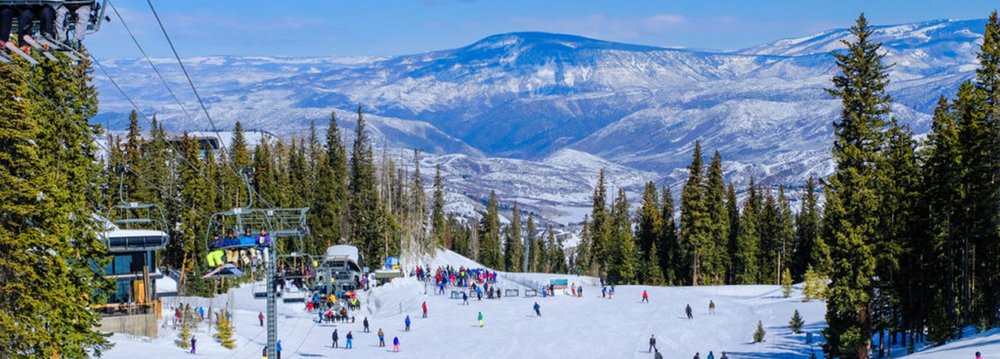
A ski lift ascends a snowy mountain, showcasing the beauty of Aspen Altitude in winter.

The altitude of Aspen, Colorado is 7,908 feet above sea level, placing it among the highest towns in the United States. 

This high-altitude environment delivers stunning mountain views and fresh alpine air—but it can also affect your energy levels, hydration, and overall comfort if you’re not prepared.

If you’re planning a visit, it’s important to know how Aspen’s altitude might impact your body. Read on to learn what to expect, how to prevent altitude sickness, and expert strategies from Aspen Life Concierge (ALC) to help you adjust and thrive at elevation.

Here’s everything you need to know about traveling to high-altitude Aspen:

  1. Aspen Altitude Sickness
  2. How to Acclimate to Aspen’s Elevation
  3. Aspen Altitude by Season
  4. Altitude Comparison
  5. Local Tips
  6. Frequently Asked Questions
  7. Conclusion

Aspen Altitude Sickness: What to Expect

It’s natural to ask yourself this question after discovering Aspen’s altitude. First, let’s talk about what exactly altitude sickness is. According to Cleveland Clinic, altitude sickness happens when someone climbs to a higher altitude too quickly and falls ill as the elevation changes. The higher the altitude, the lower the oxygen levels and air pressure, which affects the body. Altitude sickness could happen starting at 8,000 feet above sea level. Remember, Aspen’s altitude is just about 7,900 feet above sea level.

While everyone may not experience altitude sickness, it’s important to be prepared for it, especially while skiing. Not everyone who gets altitude sickness has gotten it before or will get it right away. It can sneak up on you quickly. That’s why it’s important to know the symptoms before they arise on the slopes.

Altitude symptoms to look for include:

  • Nausea
  • Vomiting
  • Headaches
  • Dizziness
  • Fatigue
  • Shortness of breath
  • Diarrhea

How to Acclimate to Aspen’s Elevation

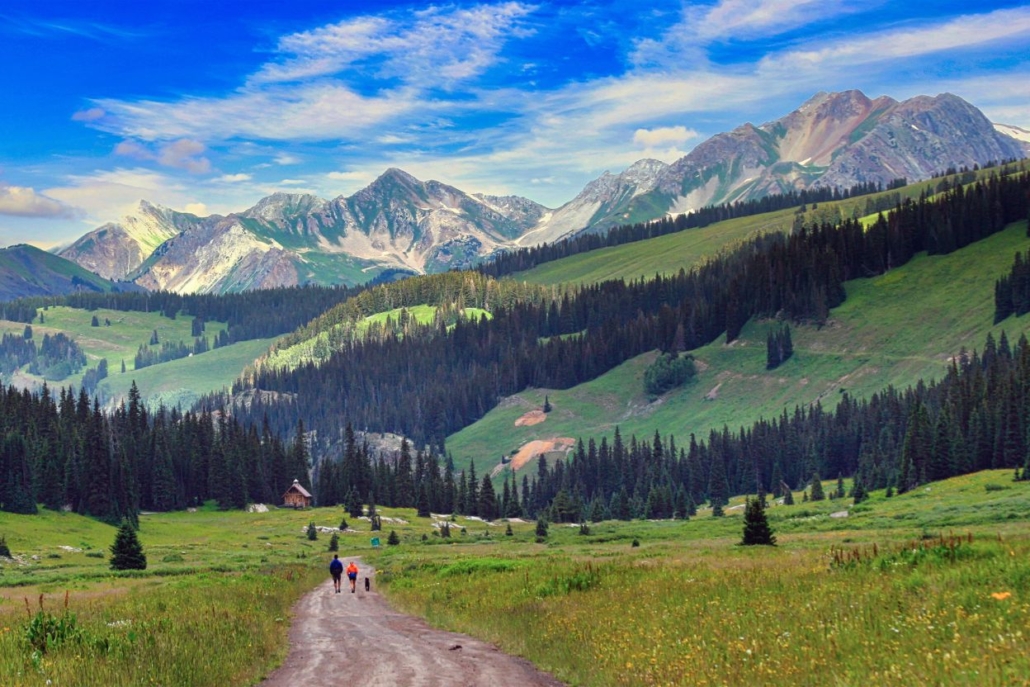
Hikers on a trail surrounded by lush meadows and mountains, showcasing the scenic beauty of Aspen's altitude

Adjusting to the altitude in Aspen takes some planning—but with a few simple strategies, most visitors can enjoy their time in the mountains without major discomfort. Here’s how to help your body adapt, especially during the crucial first 24 hours.

Hydration and Diet Strategies

Staying hydrated is the #1 rule at high altitudes. Aspen’s thinner air and lower humidity accelerate fluid loss, even when you’re not sweating. Aim to drink at least 2–3 liters of water per day, and choose electrolyte-enhanced beverages to maintain balance. Avoid excessive caffeine and alcohol, both of which can contribute to dehydration.

When it comes to food, eat light, nutrient-rich meals packed with fruits, vegetables, and whole grains. High-fat, heavy meals take more oxygen to digest, which can tax your system in a low-oxygen environment like Aspen.

First 24-Hour Acclimatization Tips

Your first day in Aspen should be about rest and recovery, not peak performance. Even if you’re excited to hit the slopes or explore the town, it’s smart to take it slow:

  • Avoid strenuous activity
  • Elevate your feet and relax during the afternoon
  • Get a full night of sleep
  • Spend time indoors or at lower altitudes if symptoms appear

Let your body settle into Aspen’s high-altitude conditions before doing anything physically intense.

Remedies and When to Seek Medical Help

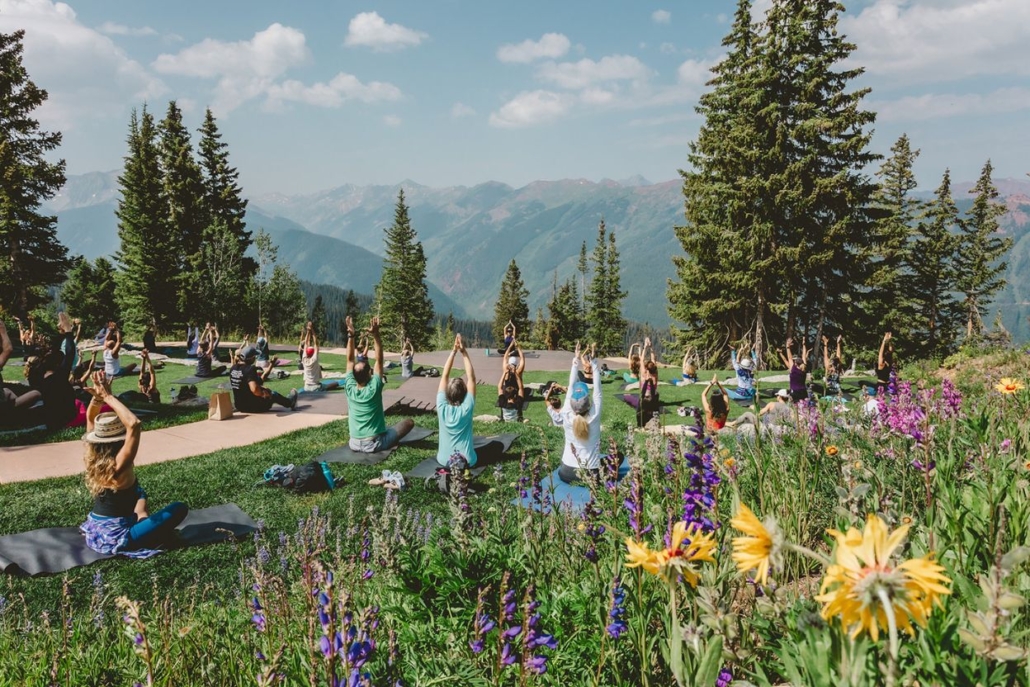
Group yoga session in Aspen’s mountains, promoting wellness and altitude adjustment through mindful breathing.

If you begin to experience symptoms like headaches, fatigue, dizziness, nausea, or shortness of breath, you may be dealing with mild altitude sickness.

Remedies include:

  • Over-the-counter pain relievers (like ibuprofen)
  • Herbal teas or ginger for nausea
  • Supplemental oxygen, often available via hotel or concierge services
  • Prescription medications like acetazolamide (Diamox)—ask your doctor before travel

If symptoms worsen or include chest tightness, confusion, or difficulty walking, seek medical attention immediately. These could be signs of high-altitude pulmonary or cerebral edema (HAPE or HACE)—serious conditions that require emergency care.

Advice for Athletes and Active Travelers

Athletes and outdoor adventurers are especially prone to altitude-related performance drops. To protect your body and avoid overexertion:

  • Schedule lighter workouts or activities the first 1–2 days
  • Sleep at lower elevations before ascending to Aspen if possible
  • Consider altitude training in advance if you’re competing or training
  • Use wearable fitness trackers to monitor oxygen saturation and heart rate

Respect your limits, listen to your body, and let your performance ramp up gradually.

Aspen Altitude by Season: When It Hits Hardest

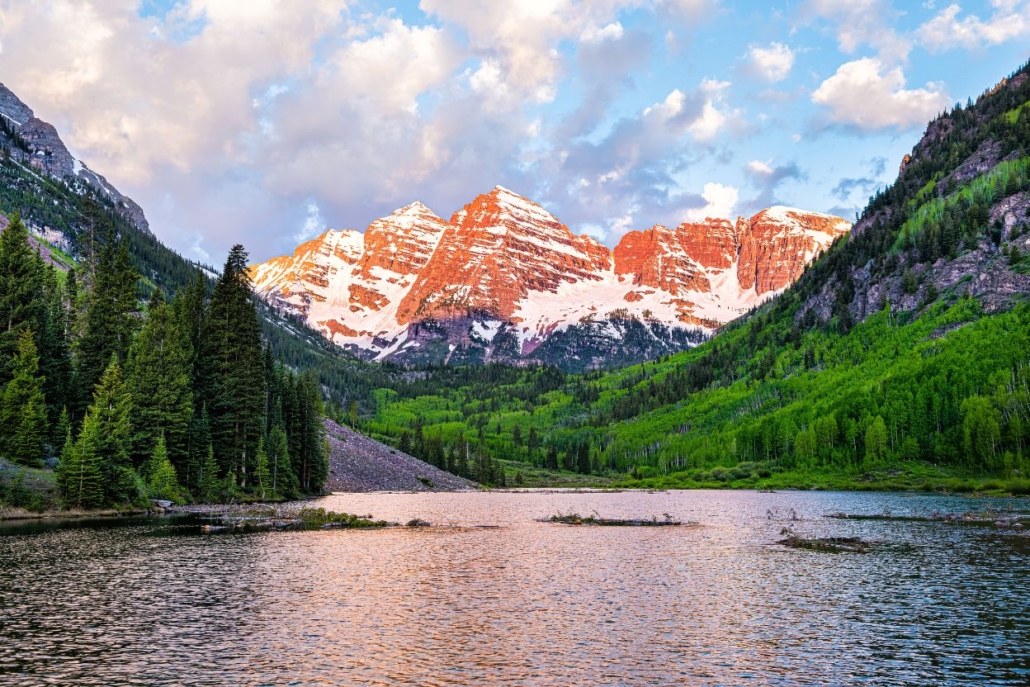
Maroon Bells at sunset in Aspen, with seasonal snow and vibrant greenery highlighting altitude’s visual impact.

While the altitude in Aspen remains the same year-round, the way your body responds to it can change drastically with the seasons. Factors like temperature, physical activity, and hydration levels all influence how intensely altitude affects you. Here’s what to expect during Aspen’s winter and summer months.

Winter: Cold Weather + High Altitude = Extra Strain

Winter in Aspen draws skiers and snowboarders from around the world—but it’s also when altitude sickness is most common. Cold air is thinner and drier, which compounds the effects of high elevation. Combine that with strenuous mountain activity and the excitement of arrival day, and your body may struggle to keep up.

Skiers are especially vulnerable to altitude strain due to:

  • Sudden bursts of cardio at high elevation
  • Lack of acclimatization time before hitting the slopes
  • Dehydration from long travel or alcohol consumption
  • Cold air limiting oxygen absorption

Summer: Dehydration and Heat at High Elevation

Don’t underestimate summer’s impact. While Aspen’s temperatures are milder than many cities, the high altitude and strong sun can sneak up on unprepared visitors.

At 7,908 feet, the air is dry and oxygen is thinner, meaning:

  • You lose moisture faster through breathing and sweat
  • Sunburns happen more quickly due to thinner atmosphere
  • Hiking and biking feel harder—even for fit individuals

Hydration is key during summer. Carry water on all hikes, wear sun protection, and build in rest periods to avoid overheating or exhaustion.

Altitude Comparison: Aspen vs Other U.S. Mountain Destinations

Curious how Aspen’s altitude compares to other popular mountain towns? Here’s a quick breakdown of elevation levels in some of the most visited destinations in the Rockies and beyond:

DestinationElevation (ft)Notes
Breckenridge, CO9,600 ftOne of the highest ski towns in North America
Telluride, CO8,750 ftKnown for steep terrain and higher base elevation
Vail, CO8,150 ftSlightly higher than Aspen, popular for skiing
Aspen, CO7,908 ftHigh altitude with a luxury mountain town feel
Park City, UT7,000 ftMilder elevation, better for sensitive travelers
Denver, CO5,280 ft“Mile High City,” often a first stop for acclimatization

Why This Matters

The altitude of Aspen is significantly higher than cities like Denver or Park City. Travelers often feel symptoms more intensely in towns above 7,500 feet, especially when arriving from sea level. Comparing these elevations helps you anticipate your body’s response and plan accordingly.

Local Tips: What ALC Recommends for Altitude Adjustment

Spa facial treatment in Aspen, a soothing local remedy to combat skin dryness caused by high mountain altitude.

Aspen Life Concierge (ALC) has helped countless travelers adjust to Aspen’s altitude quickly and comfortably. Here are their top recommendations for a smoother transition:

  • Hydrate consistently with electrolyte-enhanced water throughout your stay
  • Limit alcohol and caffeine intake upon arrival to avoid dehydration
  • Prioritize rest on your first day in Aspen—let your body adapt gradually
  • Enjoy light, nutrient-rich meals to support digestion and energy
  • Use oxygen concierge services if symptoms arise or for added comfort
  • Consult your physician before traveling if you’re prone to altitude sickness
  • Consider IV therapy upon arrival for rapid hydration and acclimatization
  • Book a massage or spa treatment to ease physical tension from travel

These strategies can significantly reduce the effects of Aspen’s high elevation, helping you feel your best while exploring everything the mountains have to offer.

Frequently Asked Questions About Aspen Altitude

Is Aspen considered high altitude?

Yes. At 7,908 feet above sea level, Aspen is considered high altitude. Any elevation above 5,000 feet is typically classified as high, and Aspen’s elevation can impact breathing, hydration, and physical exertion—especially for first-time visitors.

How long does it take to adjust to Aspen altitude?

Most people acclimate to the altitude in Aspen within 24 to 72 hours. Staying hydrated, getting plenty of rest, and avoiding strenuous activity during your first day are key to a smoother adjustment.

How much less oxygen is in Aspen?

At Aspen’s altitude, the air contains approximately 25–30% less oxygen than at sea level. This reduced oxygen level can make physical activity feel more difficult and may cause symptoms like fatigue or shortness of breath until your body adapts.

How to avoid altitude sickness?

To prevent altitude sickness in Aspen, follow these steps:
– Drink plenty of fluids with electrolytes
– Limit alcohol and caffeine during the first 48 hours
– Rest on arrival day and ease into physical activity
– Eat light, balanced meals
– Consider using supplemental oxygen or speaking with a doctor about altitude medication

Yes. At 7,908 feet above sea level, Aspen is considered high altitude. Any elevation above 5,000 feet is typically classified as high, and Aspen’s elevation can impact breathing, hydration, and physical exertion—especially for first-time visitors.

Conclusion

Aspen’s altitude—at 7,908 feet above sea level—offers stunning scenery and a true mountain-town experience, but it also comes with unique physical challenges. Whether you’re visiting in the snow-filled winter or the sunny summer months, being prepared for the effects of high elevation can make all the difference.

From hydration and rest to altitude-friendly meals and local wellness services, there are plenty of ways to help your body adjust and avoid altitude sickness. Knowing how Aspen’s altitude compares to other mountain towns also helps set expectations and plan accordingly.

If you’re looking for personalized support, Aspen Life Concierge (ALC) is here to help you acclimate quickly and comfortably.

Contact ALC today to learn more about oxygen services, IV therapy, in-room massages, and other wellness solutions that help you feel your best at altitude.

Aspen Elopement – Your Guide to a Bespoke, Unforgettable Ceremony

aspen elopement

As more and more young couples choose to skip the wedding, there’s no better way to celebrate your love than with an Aspen elopement. This little town is wrapped in stunning mountains under a bright, blue Colorado sky. Whether it’s against a backdrop of golden leaves, fields of wildflowers, or silver, snowy peaks, there’s no better place to say “I do.”

Plan your dream Aspen elopement with this complete guide:

  1. Why is Aspen, Colorado Such a Popular Destination for Elopements?
  2. What Are the Perks of Choosing an Aspen Elopement?
  3. How Much Does an Aspen Elopement Cost?
  4. How to Choose the Best Aspen Elopement Locations
  5. Aspen, Colorado Elopement Locations for Winter Gatherings and Micro Weddings
  6. What Are the Marriage License Requirements in Pitkin County?
  7. Sample Itineraries for Your Elopement Day
  8. Romantic Things to Do in Aspen After You Say “I Do”
  9. What is the Best Time of Year for an Aspen Elopement?
  10. What to Pack for an Aspen Elopement (By Season)
  11. FAQs
  12. Conclusion

Why is Aspen, Colorado Such a Popular Destination for Elopements?

Many couples opt to elope in Aspen due to its stunning outdoor venues, such as Maroon Bells, Crater Lake, and Independence Pass, which serve as picturesque backdrops for elopement photography. Under Colorado law, couples are not required to have an officiant to legally marry, making it an attractive option for those choosing to elope. Additionally, the high-quality local dining establishments appeal to visitors looking to celebrate special occasions or enjoy a romantic getaway. Known for its luxurious lifestyle, couples can expect unforgettable experiences at a fraction of the cost of a traditional wedding.

If you and your beloved are planning a runaway wedding, keep reading to learn all about the best locations for your special day.

What Are the Perks of Choosing an Aspen Elopement?

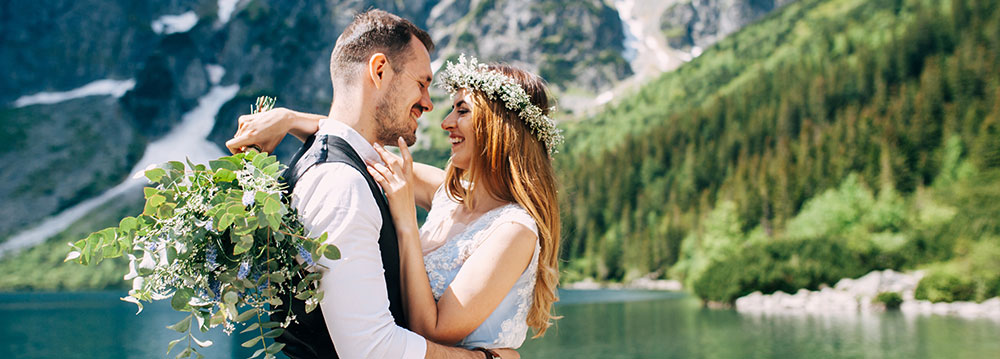
A close-up of a bride holding a delicate bouquet of flowers.

A prominent trend in wedding celebrations is for couples to travel to picturesque destinations to capture photographs, exchange their vows, and celebrate their union as newlyweds.

When you wed without witnesses, you and your beloved can make it all about you! Ski enthusiast couples have been known to exchange vows on the ski lift, then celebrate with drinks at Cloud 9. You may also enjoy a calm courthouse ceremony with a tour through Aspen’s most iconic spots in a whirlwind photoshoot. There have also been plenty of couples who arrived in the valley after a month-long road trip and spontaneously decided to wed amid the Rocky Mountains.

Every couple has different reasons for eloping, but the biggest benefits of having a runaway wedding are:

  1. Your big day gets to be about you
  2. More flexibility in the itinerary, location, cost, and venue than a traditional wedding
  3. Eloping is more cost effective since catering takes up 28% of the wedding budget for most couples
  4. You actually get to spend time with your beloved instead of running around to greet everyone
  5. There’s no pressure to pick your wedding party or navigate family disputes
  6. Elopements are an intimate, luxurious, exclusive experience
  7. Couples may choose to put the money they saved by skipping the wedding towards investments, starting a business, or buying property
  8. There is a certain joy to spontaneity that isn’t possible with big weddings

How Much Does an Aspen Elopement Cost?

A couple sits on a wooden bench with white fur throws during an Aspen elopement, surrounded by snow-covered mountains and romantic floral arrangements, with champagne on a small wooden table.

An Aspen elopement can be as simple or luxurious as you choose, but it’s essential to understand the potential costs before planning your day. While often more affordable than a traditional wedding, Aspen’s upscale setting means expenses can vary widely—from $3,500 for a minimalist elopement to over $50,000 for a fully curated experience. At the most basic level, you can legally elope in Aspen for just $30—the cost of a Pitkin County marriage license. Colorado also allows self-solemnization, so no officiant or witnesses are required, making it even easier to keep things intimate and cost-effective.

Mid-Range Celebrations: Elegant and Affordable Luxury

For a simple yet beautiful elopement that includes a photographer, florals, and dinner at one of Aspen’s renowned restaurants, expect to budget between $8,000 and $15,000. This range typically includes professional photography ($2,000–$5,000), a bridal bouquet and boutonnière ($300–$700), hair and makeup styling ($500–$1,000), and a celebratory meal at an upscale location like The Little Nell or Pine Creek Cookhouse. Transportation costs may range from $200 to $1,000 depending on whether you’re using a private shuttle, gondola, or snowcat ride. Boutique accommodations typically start around $600 per night.

Full-Service Luxury: Aspen’s Signature Experience

For couples who want a fully curated experience, Aspen Luxury Concierge (ALC) offers all-inclusive elopement planning tailored to your needs. These luxury packages include venue coordination, travel logistics, transportation, vendor management, private chefs, spa appointments, and lodging. With Aspen’s high-end venues and elite service providers, a fully planned, luxury elopement with ALC typically falls in the $20,000 to $50,000 range, or higher if premium lodging and custom experiences are included. ALC has access to Aspen’s top luxury vacation rentals—some of which rent for $25,000 to $75,000 per week—and can coordinate private snowcat access, on-mountain dining, or exclusive spa treatments for couples.

How to Save Without Sacrificing Style

If you’re working with a tighter budget, there are ways to reduce costs without sacrificing the experience. Eloping midweek or in the shoulder seasons (late spring or early fall) can significantly lower venue and lodging rates. Opting for a scenic public location like Maroon Bells or Independence Pass, where permit fees are minimal or nonexistent, is another great way to create a memorable experience without the venue cost. Bundling services—such as hiring a photographer who also offers planning assistance—can also streamline costs.

What to Expect Based on Budget

Ultimately, how much you spend depends on the type of elopement you’re planning. A minimal, DIY-style elopement might cost as little as $3,500. A mid-range, semi-curated day with professional vendors and boutique accommodations might range from $10,000 to $20,000. A fully luxurious Aspen elopement planned by a team like ALC can range from $30,000 to $50,000 or more, depending on the vision and scope.

If you want a stress-free experience with Aspen’s best local vendors and exclusive venues, working with a service like Aspen Luxury Concierge ensures everything is handled—from permits and timelines to dining reservations and photography.

How to Choose the Best Aspen Elopement Locations

Venues are equally important for elopements as they are for traditional weddings. However, elopers won’t need to consider the guest capacity as much as they need to decide if this location brings them joy. If you follow any wedding photographers on social media, you’ve probably seen a lot of stunning, outdoor elopement photography.

If you want to embrace the natural beauty of Aspen Snowmass, here are the best outdoor locations for tying the knot:

Maroon Bells

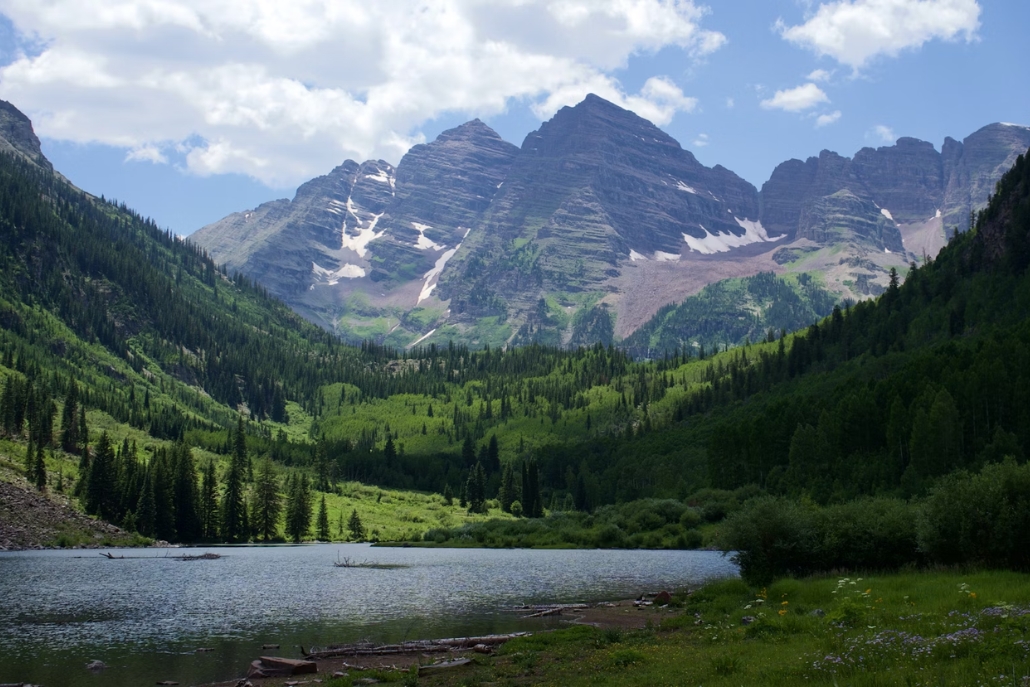
Beautiful Maroon Bells in Colorado, with picturesque mountains and a peaceful landscape perfect for a romantic elopement.

The Maroon Bells is probably one of the most iconic locations in all of Colorado. It is available for elopements only during the spring, summer, and early fall months. On clear days, the lake forms a mirror that perfectly reflects the towering mountains. During the summer months, the entire area is covered in a lush, green blanket of moss and trees. As autumn rolls around, the gold and crimson leaves will bring warm touches of color to your couples photos.

When you plan an Aspen elopement at the Maroon Bells, you have a few options for how to arrange the proceedings. If you are having a micro-wedding, you may want to book the amphitheater. This area is located just off the trail and offers a perfect view of the bells. It’s the perfect place to say your vows with a small circle of family members.

Couples who don’t want a ceremony of any kind, may choose to say their vows in private and then take photos against the natural beauty of the bells.

John Denver Sanctuary

john denver sanctuary aspen elopment

Couples who love music may choose to celebrate their nuptials at the John Denver Sanctuary. This is a free public park that is located in the heart of Aspen. It is within walking distance (even in a big dress) of both the Pitkin County Courthouse and several different churches. Couples often choose to make their marriage official at the courthouse or a church, then stroll over to the sanctuary for a romantic picnic.

The John Denver Sanctuary is home to a few unique attractions. At the center of the space is the memorial garden with a gently flowing stream and large stones carved with his lyrics. This is the most intimate, calming place to relax with your beloved.

Give Aspen Luxury Concierge a call for expert assistance booking local vendors, hiring an elopement photographer, and planning your special day.

Crater Lake

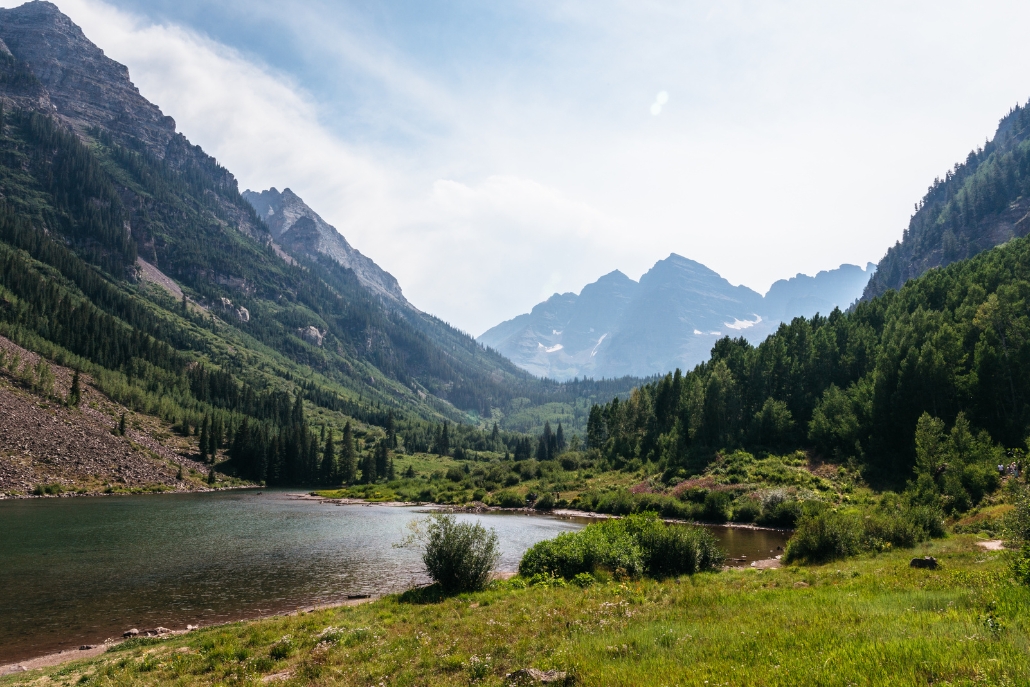
A picturesque lake encircled by mountains and greenery, representing the romantic setting of an Aspen elopement at Crater Lake.

If you and your beloved are hiking enthusiasts, then this is the perfect Aspen elopement for you! Crater Lake is located in the Maroon Bells area. To get there, you’ll need to either take the shuttle or register your private vehicle. Crater Lake is a 3.5 mile hike from the Maroon Bells parking area. The hike is considered moderately difficult, so you may be able to do it in a wedding dress, or you can make the trek in hiking clothes and change at your destination.

Independence Pass

There’s nothing quite like celebrating your love at 12,000 feet! Independence Pass is a prime Colorado elopement destination, especially for couples who choose to forego any kind of small ceremony. The pass is a 32 mile stretch of Highway 82 that passes over the Continental Divide between Aspen and Leadville.

The winding route offers incredible mountain views that make the perfect backdrop for epic elopement pictures.

Please note that Independence Pass is closed in the winter months, so it is only suitable for eloping between May and early November.

Aspen, Colorado Elopement Locations for Winter Gatherings and Micro Weddings

Friends celebrating on a snowy mountain deck in Aspen with champagne.

Aspen, Colorado is a place of gorgeous natural beauty all year round. Each winter, the little mountain town transforms into a snowy wonderland of glittering lights and fluffy, fresh snow. This time of year is perfect for elopements because couples can snuggle up beside the fire with hot cocoa in hand.

If you want to experience winter in the Roaring Fork Valley, here are the venues you should consider:

Lynn Britt Cabin

Located at the base of Snowmass Mountain, you can ski there for lunch or take the snowcat for dinner. The cabin combines a Western ambiance with a cozy elegance. The menu features classic American fare with fine dining touches, grass-fed wagyu beef, and organic ingredients.

If you want to have a romantic dinner with your beloved, the ALC team recommends taking a snowcat up to the cabin for a hot dinner and a glass of wine. For couples who are interested in having a small ceremony or getting together, Lynn Britt Cabin is one of the best micro wedding venues in Aspen. In the summer, the cabin can host 65 guests. In the winter, the guest capacity is 50.

If you’re planning an elopement or a micro wedding, contact ALC to learn more about Aspen elopement packages and our event planning services.

Pine Creek Cookhouse

Pine Creek Cookhouse is most well known for the sleigh rides that carry visitors to its front doors. During the winter, there’s nothing more romantic and cozying up with your beloved in the blanket-filled sleigh as a horse pulls you through the alpine wonderland. Once you arrive, you’ll be greeted by an attentive staff and a roaring fire.

The menu expertly pairs hand-selected wines with each of the four courses. You and your beloved can indulge in ribeye, wagyu steak, and bison flank, then top it off with a delectable dark chocolate cheese cake.

During the winter season, Pine Creek Cookhouse is a popular dining experience for eloping couples. However, when summer comes to the valley, it is more desirable as a venue for gatherings under 160 people.

Aspen Meadows Resort

Whether you’re eloping, hosting a micro wedding, or sharing the special day with only close family, Aspen Meadows Resort is the perfect venue for visiting couples. You may enjoy saying your vows and taking elopement pictures in the stunning Marble Garden or Anderson Park. Then you can celebrate further by having dinner with your close family at the on-site West End Social.

If you want a micro wedding, the resort has plenty of spaces for the reception, such as Bass Terrance with its panoramic mountain views. The best part about choosing a resort for your elopement or micro wedding is that the special days roll seamlessly into a carefree honeymoon!

What Are the Marriage License Requirements in Pitkin County?

A necessary part of an Aspen elopement is the paperwork. Before you can officially announce your marriage to the world, you do need a marriage certificate. The Pitkin County courthouse has fairly straightforward guidelines for getting a marriage license:

  1. You must complete the online marriage license application in the online kiosk. Be sure to take note of your transaction number.
  2. Schedule an appointment at the courthouse. 
  3. When you come to your appointment, both you and your beloved will need valid IDs, the transaction number or proof sheet, and you will need to pay the marriage license fee.
  4. You can sign the marriage certificate at the courthouse or sign it at a ceremony and return it to the courthouse within 60 days.
  5. Colorado is one of the few states that does not require an officiant to marry you. Couples are allowed to self-solemnize by signing the marriage certificate yourselves.

Sample Itineraries for Your Elopement Day

A couple dressed in winter gear and ski helmets joyfully throws snow into the air while standing on a snowy mountain in Aspen, with bright blue skies and snow-covered trees in the background.

An Aspen elopement is more than a ceremony—it’s a full-day experience designed to be just as meaningful as a traditional wedding. From alpine sunrises to cozy winter cabins and golden fall afternoons, the Roaring Fork Valley offers unforgettable backdrops for every couple. These sample itineraries will help you envision your perfect day.

Sunrise Elopement and Mountain Dining

Start your day with a breathtaking sunrise ceremony at Maroon Bells—the most iconic mountain backdrop in Colorado. As the first light hits the peaks, you’ll exchange vows in a quiet, private moment surrounded by nature. Afterward, ride the gondola to Cloud 9 Alpine Bistro for a celebratory champagne breakfast. Use the late morning and early afternoon for a photography tour through Aspen’s charming downtown or quiet forested trails. To end the day, indulge in a candlelit dinner at either The Little Nell for city-sophisticated dining or Pine Creek Cookhouse for rustic elegance nestled in the mountains.

Winter Snow Day and Cozy Cabin Celebration

If winter is your favorite season, embrace the snow with an active and intimate elopement day. Begin with a couples’ ski run or snowshoe trek through fresh powder, then meet your photographer at Lynn Britt Cabin for a private, snow-covered ceremony. After exchanging vows, enjoy a gourmet lunch at the cabin—arriving by snowcat for a true Aspen experience. As evening falls, enjoy a romantic sleigh ride through the woods to Pine Creek Cookhouse, where a crackling fire, fine wine, and intimate atmosphere bring your day to a cozy, unforgettable close.

Fall Foliage and Romantic Wine and Balloon Ride

Autumn in Aspen is a dream of golden leaves and crisp mountain air. For a fall elopement, consider exchanging vows at golden hour in the Marble Garden or Anderson Park within Aspen Meadows. Afterward, celebrate with a private wine tasting or a curated picnic surrounded by nature’s palette. As the sun begins to set, enjoy a scenic gondola ride—or for something unforgettable, soar above the treetops in a hot air balloon. End your day with a celebratory dinner at The Little Nell, one of Aspen’s most iconic fine dining experiences.

Romantic Things to Do in Aspen After You Say “I Do”

A woman relaxes at a luxurious mountain spa in Aspen

Once the vows are exchanged and the photos are taken, your elopement celebration doesn’t have to end. Aspen offers a wide array of romantic experiences for newlyweds looking to relax, indulge, and make unforgettable memories. Whether you’re staying for a night or a full honeymoon week, here are some of the most romantic things to do in Aspen after your elopement.

Indulge in a Luxury Spa Day

After an emotional and exciting day, nothing says “just married” like unwinding together at one of Aspen’s high-end spas. RAKxa Wellness Spa at The St. Regis Aspen Resort is a favorite for couples, offering private suites, customized couples’ massages, oxygen lounges, and hot plunge pools. Other top-tier options include the Auberge Spa at Hotel Jerome and the Aspen Meadows Resort, both offering serene environments and therapeutic treatments designed for deep relaxation.

Enjoy a Private Dinner with a View

Celebrate your first evening as newlyweds with an intimate dinner at one of Aspen’s most iconic restaurants. The Little Nell offers refined mountain cuisine with exceptional wine pairings, while Element 47 sets the mood with candlelit ambiance and a focus on local, seasonal ingredients. For a rustic yet upscale experience, Pine Creek Cookhouse delivers alpine charm with gourmet menus—reached by sleigh ride in the winter for an added touch of magic.

Take a Hot Air Balloon Ride

Few experiences match the wonder of floating above the Elk Mountains in a hot air balloon. This once-in-a-lifetime adventure offers 360-degree views of Aspen’s sweeping valleys, jagged peaks, and golden aspen groves. Most rides include champagne and breakfast, making it a perfect newlywed morning activity.

Cozy Up with a Fireside Evening

After a day of outdoor adventure or fine dining, retreat to a luxury vacation rental or boutique hotel suite with a private fireplace. Many Aspen properties offer in-room fireplaces, mountain views, and private decks for stargazing. Aspen Luxury Concierge can arrange a private chef to prepare a candlelit dinner in your suite—ideal for couples who prefer intimacy over public dining.

Explore Aspen’s Arts and Culture

For creative couples, Aspen’s cultural offerings provide endless inspiration. Visit the Aspen Art Museum, catch a live performance at the Wheeler Opera House, or enjoy outdoor concerts at Snowmass during summer evenings. If your elopement coincides with one of the town’s many festivals, such as the Aspen Film Fest or Food & Wine Classic, extend your stay and enjoy the scene as newlyweds.

Take a Scenic Hike or Gondola Ride

Whether it’s spring wildflowers or fall foliage, a scenic hike or gondola ride is a must. Ride to the top of Aspen Mountain for panoramic views, then hike down hand-in-hand or picnic at the summit. Trails range from easy riverside walks to moderate backcountry loops, and many offer quiet moments perfect for reflection, photos, or a bottle of wine.

What is the Best Time of Year for an Aspen Elopement?

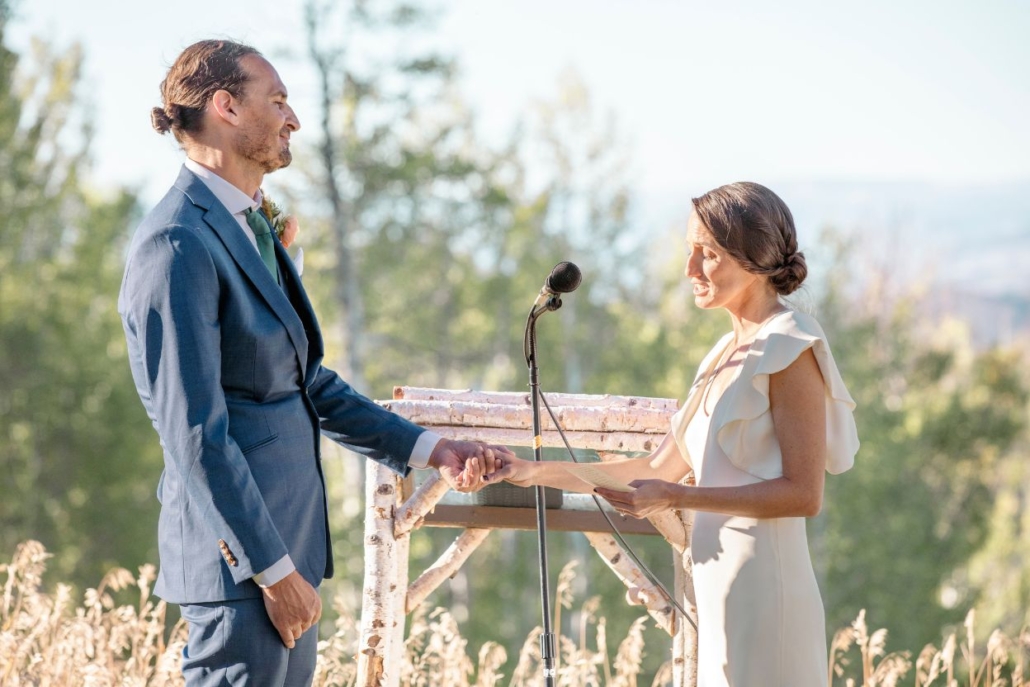
A bride and groom exchange heartfelt vows surrounded by stunning mountain scenery during their aspen elopement.

No matter when you and your beloved visit to tie the knot, you’ll be greeted by the natural beauty of the mountains. Couples often plan their visit for the time of year when they can best enjoy Aspen’s outdoor activities.

Here’s what you need to know about each season in the valley before you decide when to come elope:

  • Spring and Summer – Warm, sunny weather that is ideal for couples who enjoy hiking, fishing, horseback riding, or mountain biking. The fields become lush with wildflowers and the lakes reflect clear, blue skies.
  • Fall – Golden leaves provide a stunning backdrop for elopement photos. The crisp, moderate temperatures provide the perfect weather for classic wedding ensembles; no matter how big the dress or how thick the suit, you’re safe from overheating. In the fall, couples often enjoy romantic hot air balloon rides, taking the gondola up to the peaks, and sampling the various fall menus at the best restaurants in town.
  • Winter – The winter season is when Aspen comes alive for skiing, snowboarding, snowshoeing, and snowmobiling. Couples who ski will love to get unique photos on the slopes, say their vows at the top of the Highland bowl, and celebrate their nuptials at Cloud 9 après ski. Saying “I do” in this winter wonderland will make you feel like you stepped into the fantasy world of The Nutcracker.

What to Pack for an Aspen Elopement (By Season)

Packing for an Aspen elopement means preparing for more than just your ceremony outfit. With unpredictable mountain weather and diverse terrain, what you bring matters. Whether you’re planning a fall getaway or a snowy winter vow exchange, here’s a seasonal guide to help you pack with comfort, style, and practicality in mind.

Spring (Late March – May)

Spring in Aspen brings melting snow, blooming wildflowers, and unpredictable weather. You might experience sunny warmth or lingering snowbanks on your elopement day.

Pack for Spring:

  • Waterproof hiking boots or insulated shoes
  • Layers: thermal base, midweight sweater, and waterproof outerwear
  • A warm wrap or shawl to pair with formalwear
  • Backup umbrella or clear rain cover for photos
  • Hand warmers (especially for early mornings)
  • Compact makeup touch-up kit for light humidity

Summer (June – August)

Aspen’s summer is lush and green, with long days and mild temperatures. But high elevation also means strong sun and quick afternoon storms.

Pack for Summer:

  • Sunscreen (SPF 30+) and lip balm with UV protection
  • Breathable fabrics for your dress or suit
  • Hiking shoes or sandals for trail-based ceremonies
  • Bug spray (especially for lakeside locations like Crater Lake)
  • Lightweight outer layer or windbreaker for evening drops
  • Hat or parasol if planning midday outdoor photos

Fall (September – Mid-October)

Fall is one of the most visually stunning times to elope in Aspen. The changing leaves and crisp air make for perfect photo backdrops, but it’s also a time of fluctuating weather.

Pack for Fall:

  • Wool or cashmere layers under or over your attire
  • Tights or insulated leggings (hidden under dresses if needed)
  • Warm socks and waterproof footwear for foliage hikes
  • Blanket or throw for post-ceremony comfort
  • Clear umbrellas for unexpected drizzles
  • Neutral-toned accessories to match fall colors in photos

Winter (Late October – March)

Aspen’s winter is magical, especially for couples who love snow sports or cozy fireside moments. Temperatures can drop significantly, so warmth and practicality are key.

Pack for Winter:

  • Thermal underlayers for warmth without bulk
  • Winter boots with good traction
  • Long coats, faux fur stoles, or capes that complement formalwear
  • Gloves (bring a sleek pair for photos)
  • Hand and foot warmers for long outdoor shoots
  • Waterproof garment bag to protect wedding attire in transit

Pro Tip: Let Your Vendors Help

Many vendors in Aspen, especially those partnered with Aspen Luxury Concierge, are experienced in navigating the seasons. Photographers may bring emergency kits, florists know how to weather-proof bouquets, and stylists can recommend hair and makeup products suited to the climate.

FAQs

I. What is the best way to handle accommodations for an elopement?

For a luxury Aspen elopement, booking well in advance at a premium hotel or a private vacation rental is recommended, especially during peak seasons. Many venues offer elopement packages that include accommodations. Aspen Luxury Concierge can assist with selecting exclusive lodgings, ensuring your stay matches the high standards of your special day.

II. Can I have a religious ceremony for my elopement?

Yes, couples can choose to have a religious ceremony as part of their elopement. There are various churches and chapels in the Aspen area that accommodate intimate weddings. You can also bring your own officiant or work with local religious leaders who perform personalized ceremonies, depending on your faith tradition.

III. How far in advance should I start planning my elopement?

It’s ideal to start planning your elopement 6 to 12 months in advance, especially if you’re eloping during peak seasons like summer or winter. This timeline ensures you can secure your desired venue, accommodations, and vendors. For last-minute elopements, Aspen Luxury Concierge can help coordinate everything on a tighter schedule.

IV. What are the most romantic dining options for an elopement dinner?

Aspen offers a variety of romantic dining options, such as Cloud 9 Alpine Bistro for a scenic, elevated experience or Pine Creek Cookhouse for a cozy, winter sleigh ride and fine dining. The Little Nell and Element 47 also offer exquisite menus with elegant, intimate atmospheres perfect for celebrating an elopement in style.

V. What is the best way to manage transportation for guests or family attending a micro wedding in Aspen?

For managing transportation in Aspen, especially with guests attending a micro wedding, private car services or luxury shuttles are ideal. Aspen Luxury Concierge can assist in coordinating group transportation to and from venues, ensuring your guests travel in comfort. Additionally, many venues offer transportation packages for larger groups.

VI. What luxury spa services are available for couples eloping in Aspen?

Aspen is home to several high-end spas offering luxury services for couples. The Remède Spa at the St. Regis Aspen is known for its customized treatments, including couples’ massages, facials, and body therapies. Other top choices include the Auberge Spa at Hotel Jerome and the Aspen Meadows Resort, which offer wellness-focused treatments to relax before or after your elopement.

Do you have more questions?

If you have any additional questions about planning your Aspen elopement or need further assistance, feel free to reach out to Aspen Luxury Concierge.

We’re here to provide the expertise and guidance you need to make your elopement unforgettable. Contact us today, and let us help you create the perfect celebration in Aspen.

Why You Should Choose ALC for Your Aspen, Colorado Elopement

Everyone knows that it’s a lot of work planning a wedding; it can also be a lot of work when you plan to elope. This is where Aspen Luxury Concierge comes in. We are a local service that specializes in helping visitors fall in love with our little mountain town. When you plan your special day with ALC, we will handle every part of the process for a seamless, stress-free experience.

Our ALC concierges are all Aspenites, so we have relationships with all the major venues, local vendors, restaurants, and hotels. Plus, we know all the most beautiful spots for your couples photos.

All the ALC Aspen, Colorado elopement packages can be customized to your needs and wishes. Services typically include travel arrangements, dining reservations, accommodations (either a luxury hotel or vacation rental), activity recommendations, transportation around town, booking vendors, and access to exclusive events.

When you’re ready to say “I do,” contact Aspen Luxury Concierge for the ultimate elopement experience!

Aspen to Crested Butte Hike – What You Need to Know

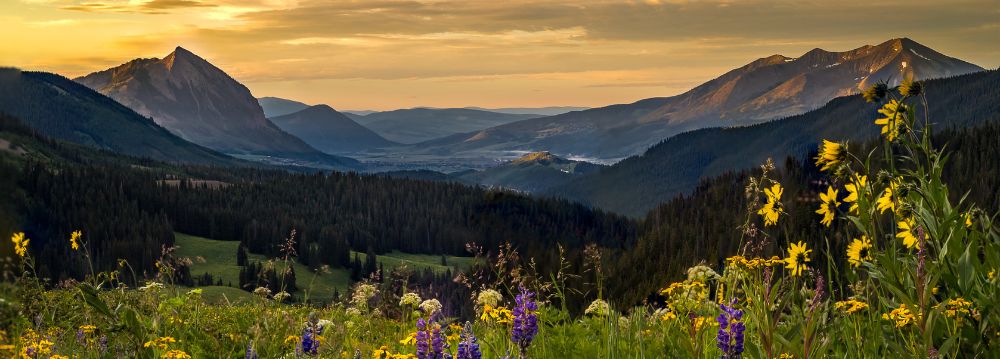
Scenic mountain view with wildflowers in the foreground, showcasing vast green valleys and towering peaks under a vibrant sky.

An Aspen to Crested Butte hike is a popular trek in a town that’s beloved for its multitude of hiking trails. You can enjoy peaceful introspection and some physical challenge (depending on your experience level) by planning this hike.

Here’s everything you need to plan your Aspen to Crested Butte hike:

  1. How long does the Aspen to Crested Butte hike take?
  2. How to Get There
  3. Round-trip Length, Approximate Time, and More
  4. Where to Stay
  5. Useful hiking tips
  6. Top 5 related trails
  7. FAQs
  8. Make the most of your Aspen to Crested Butte hike

How long does the Aspen to Crested Butte hike take?

A hike from Aspen to Crested Butte is approximately 10.45 miles and takes six to 10 hours to complete if you walk the trail at a moderate pace. The best time to plan a trek is between late June and mid-October for manageable temperatures and breathtaking sights.

This guide to hiking between Aspen and Crested Butte will provide all the information you need to plan your trip. You’ll learn how long it takes to complete the trail, how to get there, and where to stay after your trek.

Here are a few quick facts to help you get started.

FeatureDetails
Distance~10.5 miles (one-way)
Elevation Gain~2,300–3,300 ft
Time to Complete6–10 hours (one-way)
DifficultyModerate to Difficult
Best Time to GoLate June to mid-October
Trail TypePoint-to-Point (requires shuttle/transport)

How to Get There

Planning an Aspen to Crested Butte trek requires having transportation to and from the trailheads start and finish. Here are some options to consider so you can get hiking.

Shuttle service

The trailhead in Crested Butte ends about 15 miles from the town, so you should arrange to have a shuttle pick you up and take you to your lodging from the B. Schofield Park trailhead on the Crested Butte side. 

If you wish to get to and from the trail on the Crested Butte side, Alpine and Dolly’s are two great shuttle services in the area.

Car

You can drive yourself to the trailhead, but from May 15th to October 31st, you must have a parking reservation. The reservations can be up to two nights, so if you wish to stay and explore Crested Butte, you don’t have to rush through your hike.

You’ll pay $10 to reserve your vehicle. Parking reservations are available between 8 a.m. and 5 p.m., so plan to arrive very early to begin your trek. The reservations usually sell out fast, often months in advance! 

Drop-off

You can always have someone drop you off so you can bypass the parking reservation. We recommend arriving early. You can arrange a private drop off at East Maroon Pass for an early 6am – 8am start. If you’re planning to come back down the mountain between 8am – 5pm, then you’ll need to reserve a one-way ticket for the shuttle. Commercial drop offs are simply not allowed.

Some guides are permitted to access the trailhead for drop off. If you’re uncertain of your ability to make this trek and would like some assurance in the logistics as well as safety, hiring a guide such as Blazing Adventures or Aspen Expeditions is highly recommended. 

Bus

You can also take a bus from the Aspen Highlands at Paepcke to the trailhead. The bus service begins at 8 a.m. and drops off passengers until 3 p.m. You’ll pay $10 for children 12 and under and seniors 65 and older. Adults pay $16.

Aspen to Crested Butte hike: Round-trip length, approximate time, and more

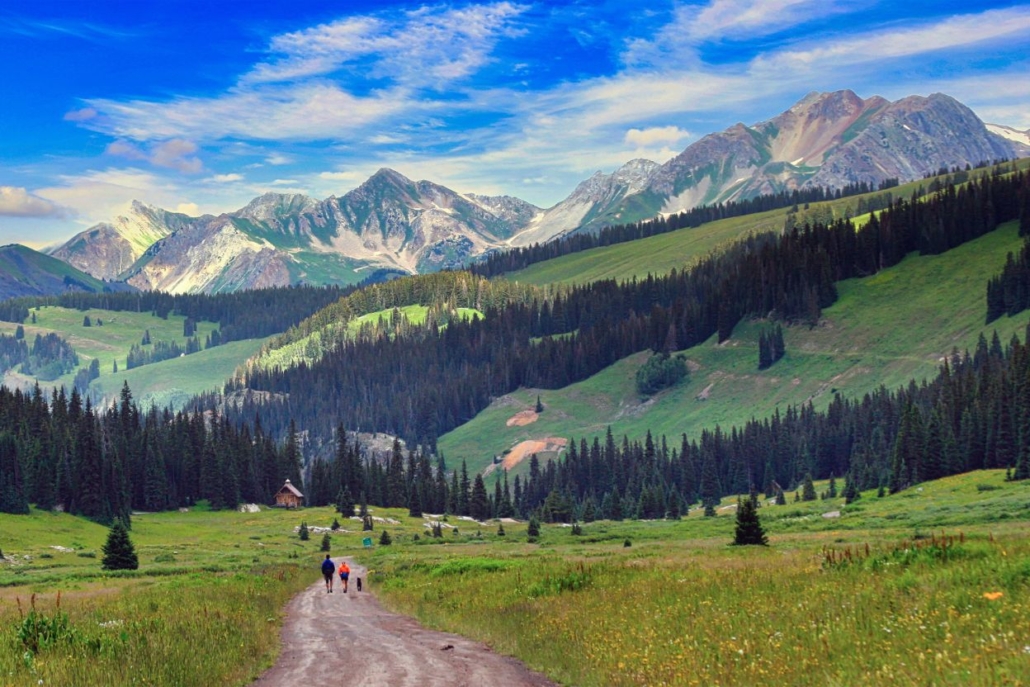
Two hikers and a dog walking along a dirt trail through lush green meadows, with towering mountains in the background under a clear blue sky.

An Aspen to Crested Butte hike takes six to 10 hours round-trip. Some hikers may complete the route faster, in about eight hours, if they’re seasoned. If you stop and snap photos or take breaks, you will stretch out the round-trip time even further.

The entirety of the route is about 11 miles, so while it’s not a tremendously long hike, it’s not a quick one-mile walk, either. You will need strong physical prowess and backcountry experience to complete the trek. If you’re uncomfortable hiking alone, you can hire a guide. 

Here is more information to remember as you plan to hike from Aspen to Crested Butte and back again.

From Aspen to Crested Butte

An Aspen hike to Crested Butte will take you across the West Maroon Creek Trail to the West Maroon Pass Trail as you venture from east to west. While you can also reach Crested Butte from the East Maroon Pass, the West Maroon Pass is the more popular of the two. 

Maroon Lake is just outside of Aspen. As you hike from the lake northward from the lake, you’ll see aspens first, then a rocky field. That indicates you’ve reached the West Maroon Creek – Maroon Snowmass Trail, which is approximately 1.7 miles.

As you begin to trek, stick left to Crater Lake, which will guide you to West Maroon Creek. Crater Lake is a notable part of your walk because it features campsites for staying overnight.

The lake has a southwest bend over an inlet and connects to Maroon Bells via the rockslides near the trail’s base. If you continue to follow Crater Lake, you’ll approach West Maroon Creek from the east. Don’t enter the waters here if you can help it, as they move fast.

As you follow along, you’ll enter a thin forested area and then go through a patch of willow trees. The trail gets increasingly steeper as you go, but if you keep climbing the 940 feet, you’ll get to West Maroon Pass. At this point, you’re more than six-and-a-half miles into your hike.

On the West Maroon Pass, look for a notch in the headwall on the southwestern corner. From there, you can see the East Fork from Crested Butte and the West Maroon Creek.

The trail now begins to descend, sometimes quite steeply, from West Maroon Pass to Frigid Air Pass near the East Fork drainage. You’re now 7.25 miles into the Aspen to Crested Butte hike.

The West Maroon Pass Trail will take you left, then west to southwest along alpine meadows and southern slopes. This is where you will see amazing wildflowers if they’re in season. The majestic display extends for almost three miles.

When you reach the 8.45-mile mark, you’ll head north to reach Hasley Basin, which opens up to the North Fork drainage. This area connects to the 4 Pass Loop.

You’ll continue descending until the 9.5-mile mark along the valley when you reach the Wilderness Boundary at 10.12 miles. The Wilderness Boundary gives way to the East Fork of Maroon Trailhead at 10.45 miles.

The trail ends at the Schofield Park Trailhead, which you can reach from Gothic Road.

Return hike (Crested Butte to Aspen)

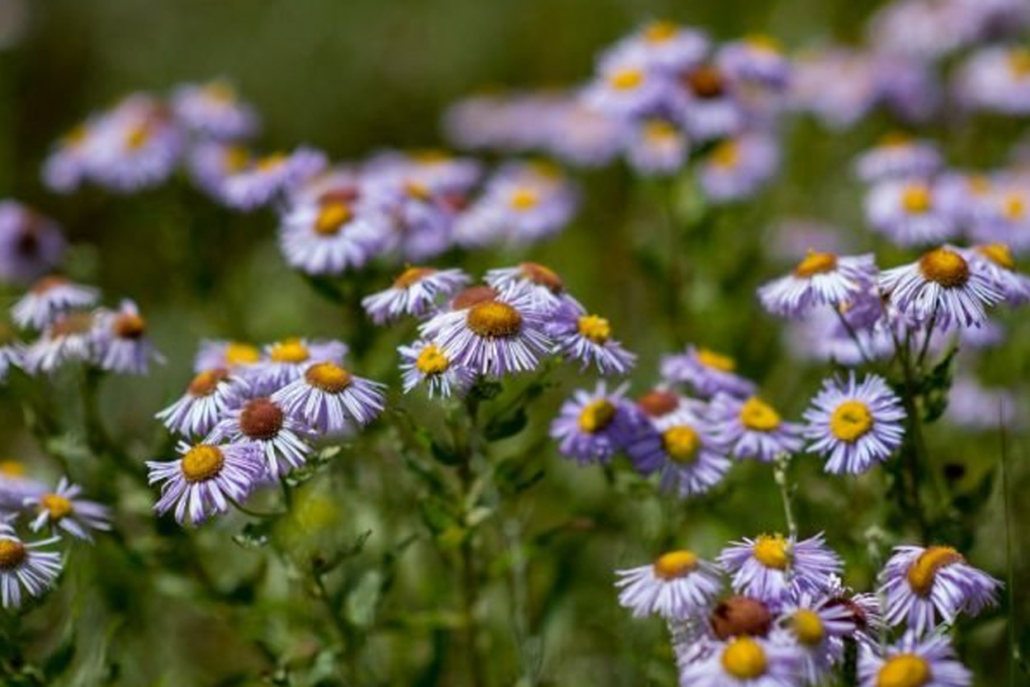
The close-up of some flowers that can be found in the paths of Aspen.
Eleven Colorado – Wildflowers

Once you’ve experienced the wonders of Crested Butte, it’s time to plan a return hike so you can get back.

Fortunately, the trek won’t pose nearly as much of a physical challenge as the original route. A hike from Crested Butte to Aspen doesn’t gain as much elevation, and the path back is smoother.

The most difficult part of the route is descending Maroon Lake. Take heed, as the area is quite rocky and sometimes muddy due to the stream crossings.

Otherwise, to hike Crested Butte to Aspen, you’ll follow the trail back approximately 6.45 miles to Maroon Lake and reverse your route from there.

Alternatively, you can always arrange a car or use our services to arrange a helicopter or plane to take you back to Aspen. Gunnison-Crested Butte Regional Airport is about 37 minutes away from Crested Butte by car. 

Points of interest

Along your route, plan to see a bevy of magnificent sights. Here’s an overview of what you can expect. Keep in mind that some of these points of interest are only available seasonally.

  1. Maroon BellsThe dual peaks that are the Maroon Bells are utterly iconic. They make a fantastic backdrop for taking photos. The top of the Bells is 14,000 feet!
  2. WildflowersA highlight of the hike for many is seeing the wildflowers between Aspen and Crested Butte. Wildflower season begins in July and lasts until August. 
  3. Alpine LakesMaroon Lake and Crater Lake provide a tranquil backdrop for taking a breather during your hike and fueling up with a snack. 
  4. WildlifeKeep an eye out for deer, elk, and marmots, among other wildlife. 

Where to Stay

You’ve completed your Aspen to Crested Butte hike. Naturally, you’ll be exhausted. Let’s explore some lodging options in the Crested Butte area for resting your weary head.

Scarps Ridge Lodge

Eleven Experience Lodges provide a full-service experience with high-class amenities. You can completely buy out the hotel or rent an individual room. 

Their property, the Scarps Ridge Lodge, is a quaint, appealing building located in the heart of downtown Crested Butte that was once a Croatian saloon. If looking at the lodge is reminiscent of the Wild West, that’s why!

Your stay at the lodge includes Peloton access, an oxygen-enriched air system, a media room, a gym with a Pilates reformer and an elliptical machine, and outdoor and indoor hot tubs.

Relax and unwind further in the sauna and steam room, treat your skin to the indoor saltwater pool, and sleep like royalty in a king room.

These rooms boast a connecting nanny room and a children’s bunkroom if you’re traveling as a family. The en suite bathroom will allow you to enjoy the gift of privacy.

Sopris House

Also in the Eleven collection of properties is the Sopris House in the heart of downtown Crested Butte. The building that this lodge occupies was built in 1882 and also used to be a saloon, although a far more intimate space.

The buffalo head in the dining room is a piece of history you’ll spot on your way to your room. The high-class amenities include a sauna, a cold plunge pool, an outdoor copper hot tub, and a media room.

Stroll through the private saloon replete with a jukebox and pool table. Relax in a private villa rental twin suite with two twin trundle beds, two full beds, and an en suite bathroom. You can also opt for a king room with en suite bathrooms.

The Sopris House is great for groups and comes fully equipped with luxury accommodations. 

Taylor River Lodge

In nearby Almont is another Eleven property known as the Taylor River Lodge about 25 minutes from Crested Butte. This rustic cabin is surrounded by cliffs and stately pines. It’s a converted general store with eight cabins on the river that will surely be the capper on your amazing Aspen to Crested Butte hike.

That general store once sold tackle, so you can connect to the historical roots of Aspen by fishing in the casting pond full of rainbow trout. Also outdoors, you’ll find a teepee lounge, BBQ space, marksmen’s range, and a private climbing wall.

The media and game cabin will keep you entertained with a dartboard, foosball, and a pool table. Treat yourself to the onsite spa, exercise at the gym, or lounge in the bathhouse with a hot tub, sauna, steam room, and saltwater pool.

The main lodge offers riverfront seating in the lounge and gorgeous, woodsy views, including a fireplace. The single-family lodges include two king-sized suites and bunkrooms. One lodge even has a full-sized kitchen.

You can also opt for the private queen cabin with a steam shower and en suite bathrooms.

Why you should stay in Crested Butte

Crested Butt has many attractions and amenities that make it worth staying for a while. Here’s an overview.

  • Luxury accommodations: Crested Butte is the home of the Crested Butte Mountain Resort, Crested Butte Nordic ski resort, Kebler Pass, and galleries aplenty. You can drink in a unique culture here like no other. 
  • Farmers market: Picking up fresh produce and unique wares at a farmers market is always fun. The Crested Butte Farmers Market runs from late May until the beginning of October. 
  • Breweries: Montanya Distillers is a favorite of the locals here for its rich selection of brews and live music. 
  • Relax: Hiking to Crested Butte is no easy feat, even with a guide. Treat yourself to an Eleven Experiences rental or hotel and unwind. You’ve earned it! 

Useful hiking tips

A successful Aspen to Crested Butte hike requires good know-how. Here are some pertinent tips to aid you as you hike Aspen.

  • Wake up early so you can park or get dropped off before 8 a.m.
  • Wear the right hiking gear depending on the time of year you plan your trek. Layers are appropriate even in the summer (albeit fewer and lighter layers), and a comfortable pair of hiking boots will make your walk much more enjoyable.
  • Allocate enough water. You need at least a liter of water for two hours spent hiking. Multiply that according to how many hours you’ll be on the trailhead.
  • Bring enough food to consume between 1.5 and 2.5 pounds. That’s between 2,500 and 4,500 calories per day. You need the extra calories to fuel you for a long trek.
  • There is no cell service between Aspen and Crested Butte. Buy a satellite phone for your travels if you need to stay in touch. 
  • Take as many safety precautions as you can. Be aware of wildlife encounters, the possibility of altitude sickness, and unpredictable weather. 

Top 5 related trails

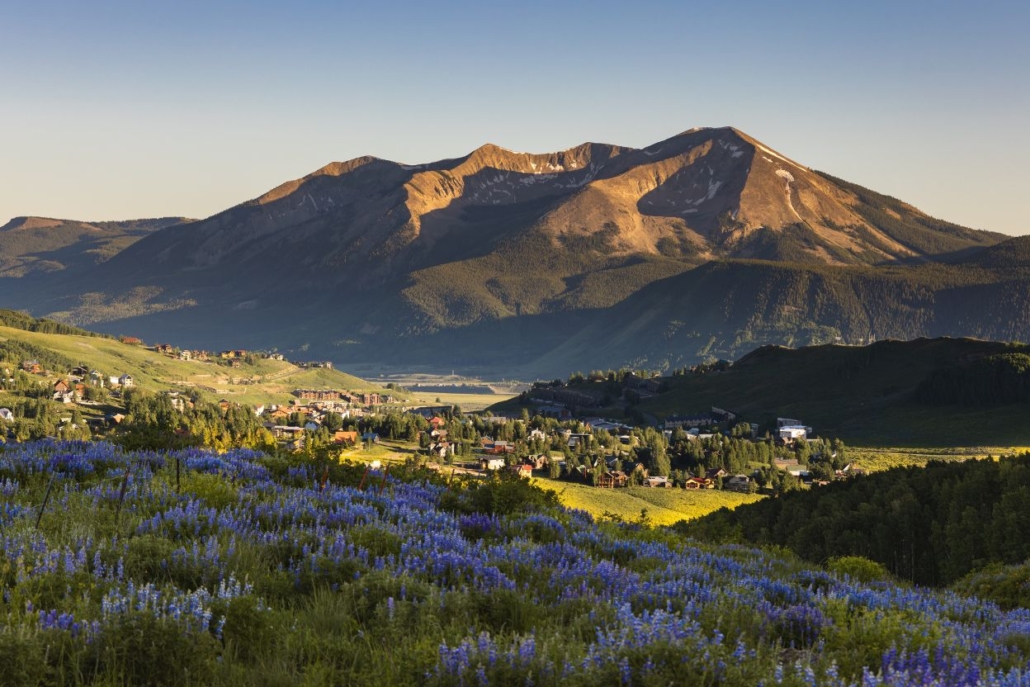
Wildflowers in the foreground with a scenic view of the mountains and a small town below, highlighting the breathtaking landscape along the Aspen to Crested Butte hike.

Your trek from Aspen to Crested Butte can take you on many related trails. Let’s explore 5 of them.

1. 4 Pass Loop

The 4 Pass Loop is 25.7 miles and gains 7,752 feet of elevation. This looped route regularly attracts hikers, campers, and backpackers. Even if the wildflowers in the vicinity are no longer in season, you can witness the stream that converges into a waterfall.

2. Capitol Creek Trail

An out-and-back trail worth exploring, the Capitol Creek Trail is 16.8 miles with an elevation of 5,187 feet. If you explore this trail to the fullest, it will take you approximately 10 hours and 19 minutes if you keep up a moderate pace.

3. Conundrum Creek Trail

On the way from Aspen to Crested Butte, you might wish to make a beeline to the Conundrum Creek Trail. This trail stretches on for 18 miles. You’ll gain 2,791 feet of elevation as you explore the out-and-back trail for about eight-and-a-half hours.

Although it’s a difficult trail, you can relax at the Conundrum Hot Springs when you’re finished, which makes it worth it!

4. Maroon Bells Scenic Loop Trail

Witness the majesty of Maroon Bells on the Maroon Bells Scenic Loop Trail, a short, 1.9-mile loop trail in the Snowmass Village area. You’ll hike for less than an hour on a route that’s quite easy to complete.

5.  Pyramid Peak Trail

The last trail between Aspen and Crested Butte we’ll spotlight is the Pyramid Peak Trail. An out-and-back trail nearer to Aspen, the Pyramid Peak Trail is 7.4 miles and difficult. Runners, hikers, and birders often visit the trail, but it does have less busy periods.

FAQs

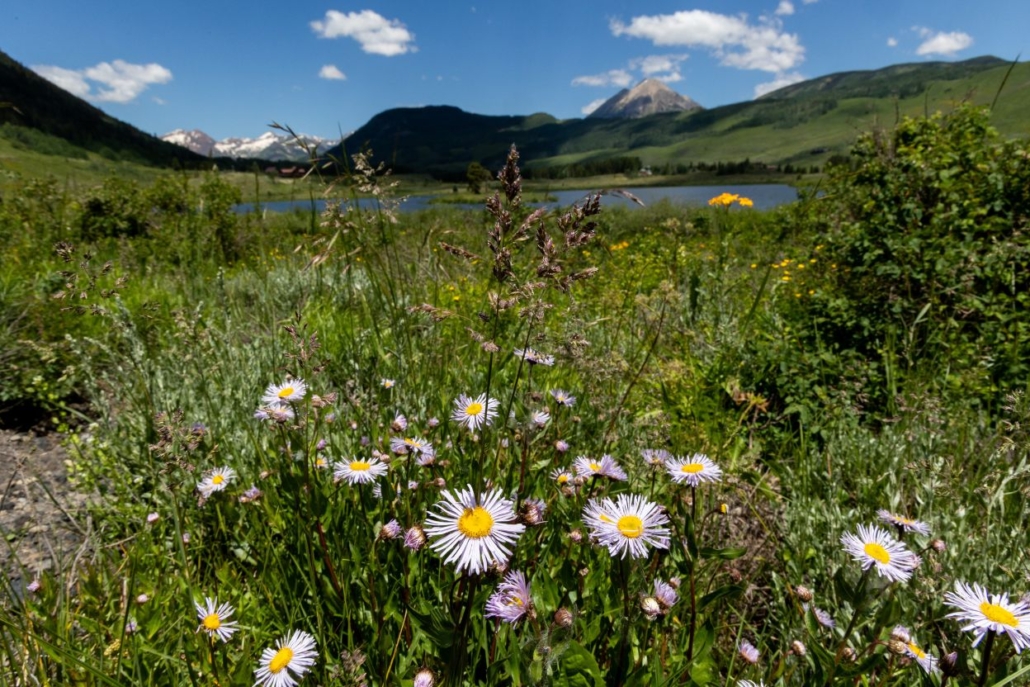
Wildflowers in the foreground with a stunning mountain backdrop and a peaceful lake, capturing the serene beauty along the Aspen to Crested Butte hike.

Got questions? Here are answers to the most common ones about the Aspen to Crested Butte hike.

I. DO YOU NEED A PERMIT TO HIKE FROM ASPEN TO CRESTED BUTTE?

You don’t need a permit for an Aspen to Crested Butte hike, but you must have a permit if you’ll stay overnight on the Maroon Lake Scenic Trailhead. You also need parking registrations on both the Aspen and Crested Butte sides.

II. IS CRESTED BUTTE BEGINNER-FRIENDLY?

Crested Butte and Aspen have their respective beginner-friendly trails so hikers of all experience levels can enjoy.

However, when hiking from Aspen to Crested Butte, you won’t be on one of them. This trail is difficult to traverse. 

III. ARE THERE BEARS IN CRESTED BUTTE?

You will have to be on the lookout for bears when trekking to Crested Butte. It’s right in the middle of Colorado’s bear territory.

Here are some bear safety and survival tips:
Stay away from bears, as the closer you get, the more you could provoke the bear.
Do not approach bears.
If a bear nears you, make a lot of noise to scare it away.  

IV. ARE DOGS AND HORSES ALLOWED IN CRESTED BUTTE?

You can bring your dog as you hike from Aspen to Crested Butte, but they must remain on their leash the entire time. Horses can cross Crested Butte trails only in areas permitting horse and foot traffic.

V. WHEN IS THE BEST TIME TO HIKE FROM ASPEN TO CRESTED BUTTE?

If planning a hike from Aspen to Crested Butte, do it between late June and the middle of October. The temperatures should be warm but not sweltering.

A summertime trek will lend you the opportunity to witness the wildflowers on the path, while an autumn hike showcases the beauty of Colorado’s falling leaves.

Make the most of your Aspen to Crested Butte hike

On your Aspen to Crested Butte hike, preparation is key. This non-beginner-friendly trail expands over nearly 11 miles and can take at least six hours to complete, sometimes double that.

Fortunately, with so many great lodging options in Crested Butte, you’re free to take your time and smell the wildflowers.

Contact ALC today to plan your Aspen getaway!