
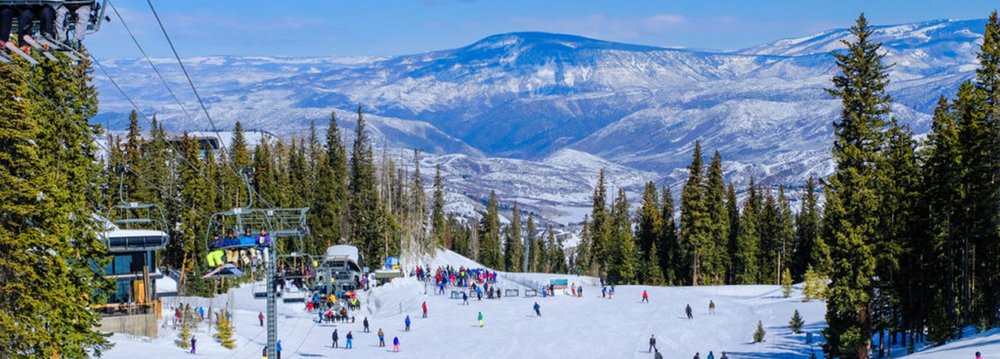
The altitude of Aspen, Colorado is 7,908 feet above sea level, placing it among the highest towns in the United States.
This high-altitude environment delivers stunning mountain views and fresh alpine air—but it can also affect your energy levels, hydration, and overall comfort if you’re not prepared.
If you’re planning a visit, it’s important to know how Aspen’s altitude might impact your body. Read on to learn what to expect, how to prevent altitude sickness, and expert strategies from Aspen Life Concierge (ALC) to help you adjust and thrive at elevation.
Here’s everything you need to know about traveling to high-altitude Aspen:
- Aspen Altitude Sickness
- How to Acclimate to Aspen’s Elevation
- Aspen Altitude by Season
- Altitude Comparison
- Local Tips
- Frequently Asked Questions
- Conclusion
Aspen Altitude Sickness: What to Expect
It’s natural to ask yourself this question after discovering Aspen’s altitude. First, let’s talk about what exactly altitude sickness is. According to Cleveland Clinic, altitude sickness happens when someone climbs to a higher altitude too quickly and falls ill as the elevation changes. The higher the altitude, the lower the oxygen levels and air pressure, which affects the body. Altitude sickness could happen starting at 8,000 feet above sea level. Remember, Aspen’s altitude is just about 7,900 feet above sea level.
While everyone may not experience altitude sickness, it’s important to be prepared for it, especially while skiing. Not everyone who gets altitude sickness has gotten it before or will get it right away. It can sneak up on you quickly. That’s why it’s important to know the symptoms before they arise on the slopes.
Altitude symptoms to look for include:
- Nausea
- Vomiting
- Headaches
- Dizziness
- Fatigue
- Shortness of breath
- Diarrhea
How to Acclimate to Aspen’s Elevation
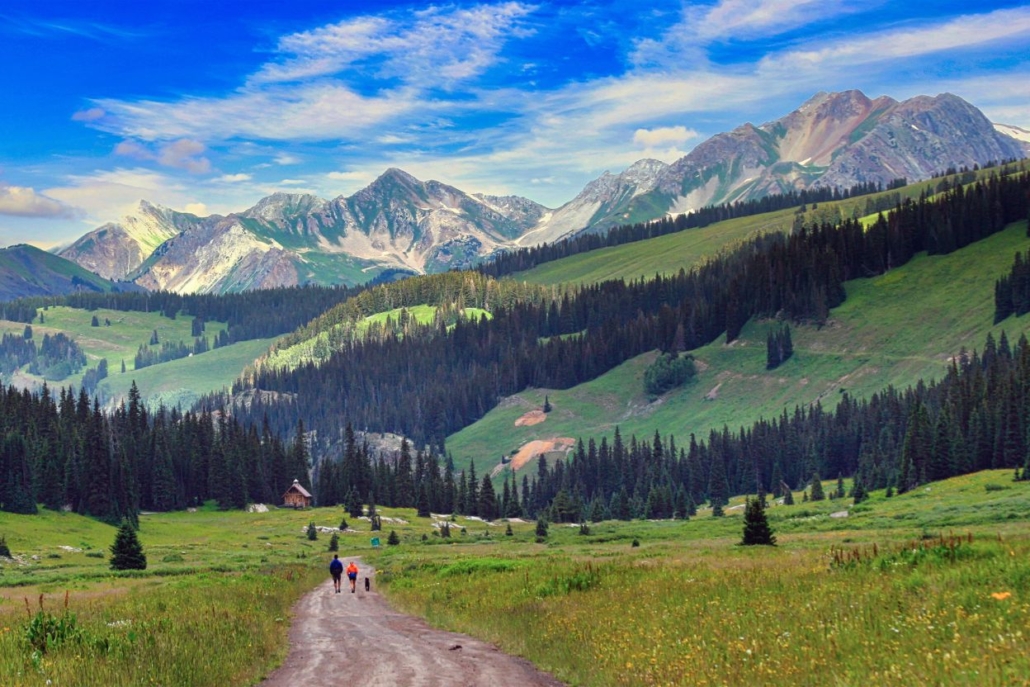
Adjusting to the altitude in Aspen takes some planning—but with a few simple strategies, most visitors can enjoy their time in the mountains without major discomfort. Here’s how to help your body adapt, especially during the crucial first 24 hours.
Hydration and Diet Strategies
Staying hydrated is the #1 rule at high altitudes. Aspen’s thinner air and lower humidity accelerate fluid loss, even when you’re not sweating. Aim to drink at least 2–3 liters of water per day, and choose electrolyte-enhanced beverages to maintain balance. Avoid excessive caffeine and alcohol, both of which can contribute to dehydration.
When it comes to food, eat light, nutrient-rich meals packed with fruits, vegetables, and whole grains. High-fat, heavy meals take more oxygen to digest, which can tax your system in a low-oxygen environment like Aspen.
First 24-Hour Acclimatization Tips
Your first day in Aspen should be about rest and recovery, not peak performance. Even if you’re excited to hit the slopes or explore the town, it’s smart to take it slow:
- Avoid strenuous activity
- Elevate your feet and relax during the afternoon
- Get a full night of sleep
- Spend time indoors or at lower altitudes if symptoms appear
Let your body settle into Aspen’s high-altitude conditions before doing anything physically intense.
Remedies and When to Seek Medical Help
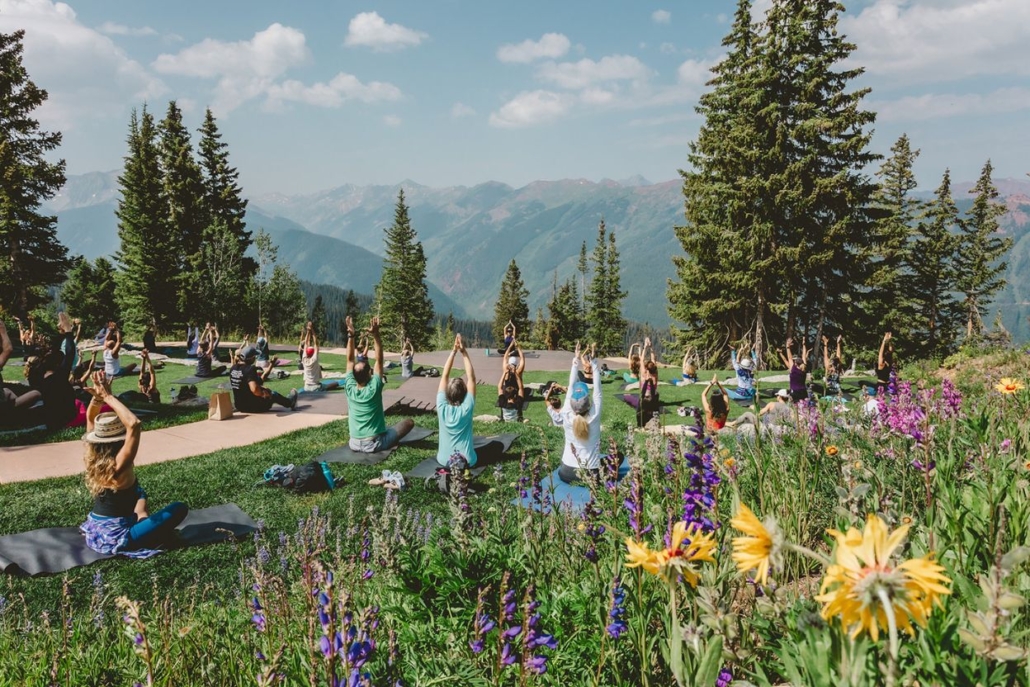
If you begin to experience symptoms like headaches, fatigue, dizziness, nausea, or shortness of breath, you may be dealing with mild altitude sickness.
Remedies include:
- Over-the-counter pain relievers (like ibuprofen)
- Herbal teas or ginger for nausea
- Supplemental oxygen, often available via hotel or concierge services
- Prescription medications like acetazolamide (Diamox)—ask your doctor before travel
If symptoms worsen or include chest tightness, confusion, or difficulty walking, seek medical attention immediately. These could be signs of high-altitude pulmonary or cerebral edema (HAPE or HACE)—serious conditions that require emergency care.
Advice for Athletes and Active Travelers
Athletes and outdoor adventurers are especially prone to altitude-related performance drops. To protect your body and avoid overexertion:
- Schedule lighter workouts or activities the first 1–2 days
- Sleep at lower elevations before ascending to Aspen if possible
- Consider altitude training in advance if you’re competing or training
- Use wearable fitness trackers to monitor oxygen saturation and heart rate
Respect your limits, listen to your body, and let your performance ramp up gradually.
Aspen Altitude by Season: When It Hits Hardest
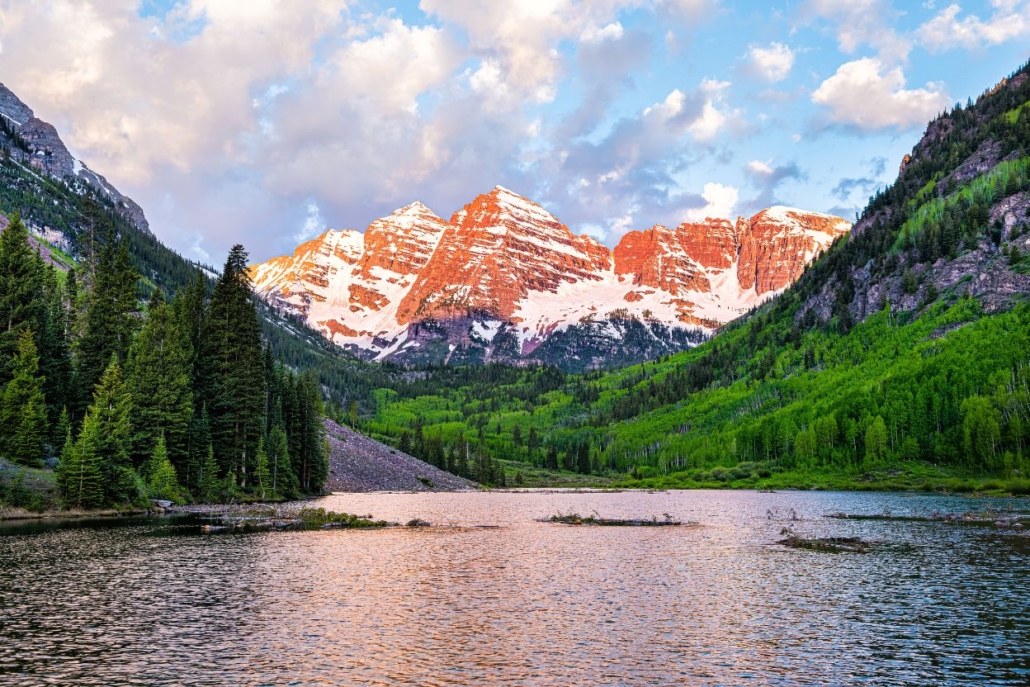
While the altitude in Aspen remains the same year-round, the way your body responds to it can change drastically with the seasons. Factors like temperature, physical activity, and hydration levels all influence how intensely altitude affects you. Here’s what to expect during Aspen’s winter and summer months.
Winter: Cold Weather + High Altitude = Extra Strain
Winter in Aspen draws skiers and snowboarders from around the world—but it’s also when altitude sickness is most common. Cold air is thinner and drier, which compounds the effects of high elevation. Combine that with strenuous mountain activity and the excitement of arrival day, and your body may struggle to keep up.
Skiers are especially vulnerable to altitude strain due to:
- Sudden bursts of cardio at high elevation
- Lack of acclimatization time before hitting the slopes
- Dehydration from long travel or alcohol consumption
- Cold air limiting oxygen absorption
Summer: Dehydration and Heat at High Elevation
Don’t underestimate summer’s impact. While Aspen’s temperatures are milder than many cities, the high altitude and strong sun can sneak up on unprepared visitors.
At 7,908 feet, the air is dry and oxygen is thinner, meaning:
- You lose moisture faster through breathing and sweat
- Sunburns happen more quickly due to thinner atmosphere
- Hiking and biking feel harder—even for fit individuals
Hydration is key during summer. Carry water on all hikes, wear sun protection, and build in rest periods to avoid overheating or exhaustion.
Altitude Comparison: Aspen vs Other U.S. Mountain Destinations
Curious how Aspen’s altitude compares to other popular mountain towns? Here’s a quick breakdown of elevation levels in some of the most visited destinations in the Rockies and beyond:
| Destination | Elevation (ft) | Notes |
| Breckenridge, CO | 9,600 ft | One of the highest ski towns in North America |
| Telluride, CO | 8,750 ft | Known for steep terrain and higher base elevation |
| Vail, CO | 8,150 ft | Slightly higher than Aspen, popular for skiing |
| Aspen, CO | 7,908 ft | High altitude with a luxury mountain town feel |
| Park City, UT | 7,000 ft | Milder elevation, better for sensitive travelers |
| Denver, CO | 5,280 ft | “Mile High City,” often a first stop for acclimatization |
Why This Matters
The altitude of Aspen is significantly higher than cities like Denver or Park City. Travelers often feel symptoms more intensely in towns above 7,500 feet, especially when arriving from sea level. Comparing these elevations helps you anticipate your body’s response and plan accordingly.
Local Tips: What ALC Recommends for Altitude Adjustment
Aspen Life Concierge (ALC) has helped countless travelers adjust to Aspen’s altitude quickly and comfortably. Here are their top recommendations for a smoother transition:
- Hydrate consistently with electrolyte-enhanced water throughout your stay
- Limit alcohol and caffeine intake upon arrival to avoid dehydration
- Prioritize rest on your first day in Aspen—let your body adapt gradually
- Enjoy light, nutrient-rich meals to support digestion and energy
- Use oxygen concierge services if symptoms arise or for added comfort
- Consult your physician before traveling if you’re prone to altitude sickness
- Consider IV therapy upon arrival for rapid hydration and acclimatization
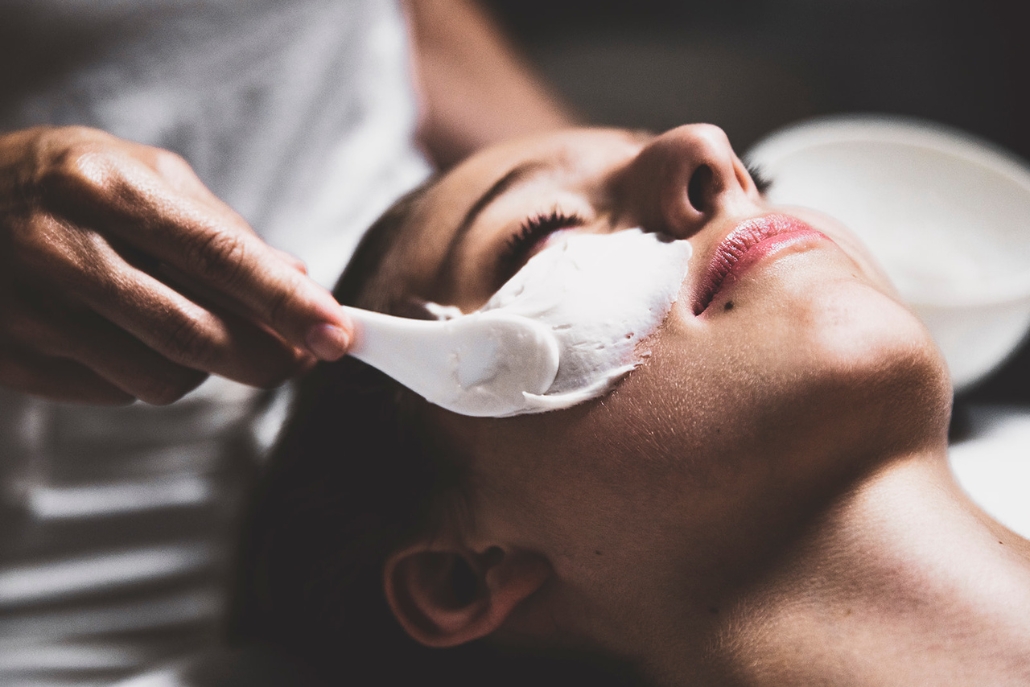
- Book a massage or spa treatment to ease physical tension from travel
These strategies can significantly reduce the effects of Aspen’s high elevation, helping you feel your best while exploring everything the mountains have to offer.
Frequently Asked Questions About Aspen Altitude
Yes. At 7,908 feet above sea level, Aspen is considered high altitude. Any elevation above 5,000 feet is typically classified as high, and Aspen’s elevation can impact breathing, hydration, and physical exertion—especially for first-time visitors.
Most people acclimate to the altitude in Aspen within 24 to 72 hours. Staying hydrated, getting plenty of rest, and avoiding strenuous activity during your first day are key to a smoother adjustment.
At Aspen’s altitude, the air contains approximately 25–30% less oxygen than at sea level. This reduced oxygen level can make physical activity feel more difficult and may cause symptoms like fatigue or shortness of breath until your body adapts.
To prevent altitude sickness in Aspen, follow these steps:
– Drink plenty of fluids with electrolytes
– Limit alcohol and caffeine during the first 48 hours
– Rest on arrival day and ease into physical activity
– Eat light, balanced meals
– Consider using supplemental oxygen or speaking with a doctor about altitude medication
Yes. At 7,908 feet above sea level, Aspen is considered high altitude. Any elevation above 5,000 feet is typically classified as high, and Aspen’s elevation can impact breathing, hydration, and physical exertion—especially for first-time visitors.
Conclusion
Aspen’s altitude—at 7,908 feet above sea level—offers stunning scenery and a true mountain-town experience, but it also comes with unique physical challenges. Whether you’re visiting in the snow-filled winter or the sunny summer months, being prepared for the effects of high elevation can make all the difference.
From hydration and rest to altitude-friendly meals and local wellness services, there are plenty of ways to help your body adjust and avoid altitude sickness. Knowing how Aspen’s altitude compares to other mountain towns also helps set expectations and plan accordingly.
If you’re looking for personalized support, Aspen Life Concierge (ALC) is here to help you acclimate quickly and comfortably.
Contact ALC today to learn more about oxygen services, IV therapy, in-room massages, and other wellness solutions that help you feel your best at altitude.

 Twitter
 LinkedIn
 Reddit
 Tumblr
 Pinterest